When Apple did their first interview-style video on a white background, everyone copied that approach. What will these new films inspire?
Cover image via Apple.
As filmmakers, we all witnessed a surge in the use of white backdrops after Apple’s video. Personally, I was drawn to the aesthetic and actively sought to shoot on white. While shooting on white was not a groundbreaking concept, it gained significant attention because Apple has a profound influence on how other companies market themselves.
Recently, Apple unveiled two captivating short films to showcase the capabilities of the iPhone. These films mark Apple’s foray into the world of original content and potentially signal a new marketing strategy.
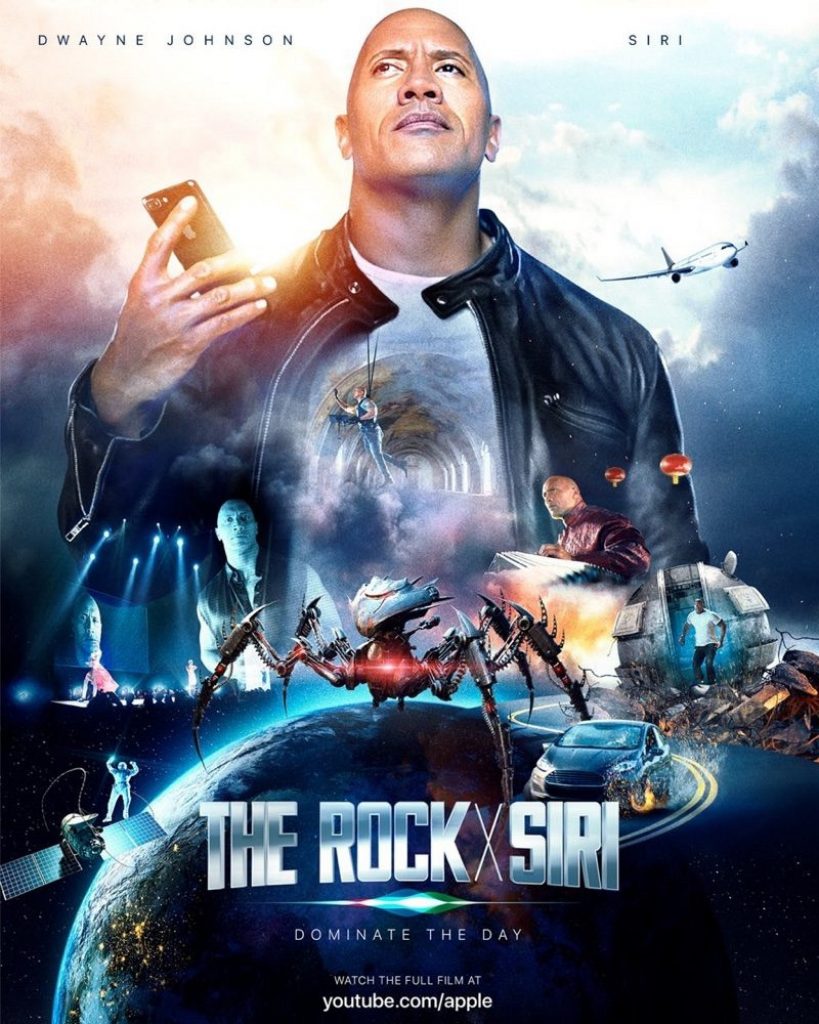
The Rock and Apple
Apple’s most recent short film features Dwayne “The Rock” Johnson in a series of unconventional scenarios. He relies on Siri to help him accomplish items on his bucket list. You can watch the film here:
The Détour
Exclusively released on their European YouTube channels, Apple presents another short film directed by Michel Gondry. This eleven-minute film, shot entirely on the iPhone, follows the adventures of a small tricycle as it embarks on a journey across French roads in search of its young owner. Take a look at the film here.
Behind the Scenes
Apple has also released behind-the-scenes videos for “The Détour” featuring the director. In these videos, he discusses his experiences working with the iPhone to bring his vision for this film to life. These additional BTS videos cover topics such as cinematic touch, time lapse, stop motion, slo-mo, night scenes, and perspective tricks.
What This Means for Filmmakers
We are witnessing a trend where brands, like Apple, are creating their own branded content to effectively market their products and establish connections with consumers. As one of the most influential brands globally, Apple’s adoption of this approach may lead to a higher demand for this style of content.
Google was also intrigued by this shift from video ads to branded video content, prompting them to conduct a study on consumer reactions to these two styles of content.
The reality is that people don’t even distinguish between video ads and branded video content — it’s a false dichotomy. When asked to rank videos on a scale of ‘more like advertising’ (0) to ‘less like advertising’ (100), both branded video content and video ads were much closer to the ‘more-like-advertising’ end of the spectrum (25.4 average for branded video content and 13.2 for video ads). Consumers perceive both as marketing material, but branded video content is seen as slightly less so than video ads.
Overall, video advertising is evolving into a means of building relationships with consumers rather than solely promoting products. As content creators, the emergence of more branded content is an exciting development.
What do you expect from Apple’s latest releases? Let us know in the comments.

Other Articles
Concert Videography: Dos and Don’ts
DaVinci Resolve’s Title Generator: A Hit or a Miss?