Here are 8 tips for filming concerts both big and small — including what not to do.
Cover image via Shutterstock.
When it comes to the concert experience, videographers are an absolute staple. They capture the magic of live performances for all to see. But filming concerts can be tricky. They’re loud, poorly lit, crowded, and unpredictable. However, with the right attitude, planning, and equipment, you can achieve some pretty spectacular results. Let’s dive into these tips on what works and, more importantly, what doesn’t.
Do: Bring Multiple Audio Recording Devices

Image via dv247.
When people watch concert videos online, the music is their main interest. As a videographer, audio should be your biggest concern. To capture a full, rich texture of sound, it’s important to spread out your recording devices. Place them close to the stage, in the crowd, and near the soundboard if possible.
Don’t: Put Your Microphone Directly In Front of a Speaker

Image via Shutterstock.
When choosing your recording locations, you need to consider the quality of audio you’ll capture. Concert speakers are loud, and to avoid audio peaking, you’ll have to adjust the levels as high as they go. However, concerts can also get quiet, so you’ll need to adjust accordingly. Find balanced locations where the audio can dissipate in the air and combine with the other speakers and crowd noise.
Do: Get Multiple Angles

Image via Shutterstock.
Depending on the type of coverage you’re aiming for, getting multiple angles is essential to create an interesting, varied, and comprehensive video. Capture wide shots and close-ups, and feature each band member.
Don’t: Get Angles You Don’t Need
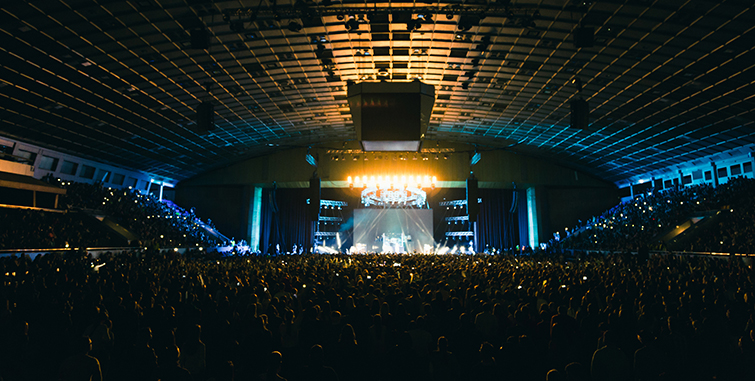
Image via Shutterstock.
However, be mindful of excessive coverage. If you have multiple cameras set up in different locations, avoid capturing shots that are unnecessary or don’t add value to your video. Shots of the drummer’s knee or wide shots that make the venue look empty are a waste of time and resources.
Do: Shoot Cutaways

Image via Shutterstock.
If you’re editing your own project, shooting plenty of cutaway shots is a great way to cover mistakes and add visual interest. Consider capturing shots of the crowd, venue, environment, instruments, and musicians’ faces.
Don’t: Shoot Specific Notes
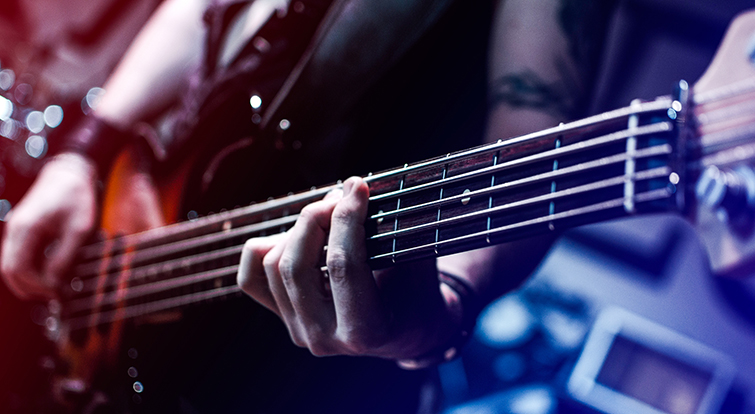
Image via Shutterstock.
Avoid shooting cutaways that show specific musical notes. While they may be part of your full coverage, they are useless as fillers in the edit if the viewer can’t hear the corresponding music.
Do: Request Stage Access

Share Article

Other Articles
Apple’s Latest Short Films: A Game-Changer for Filmmakers