Choosing the Perfect Camera for Your Video Production
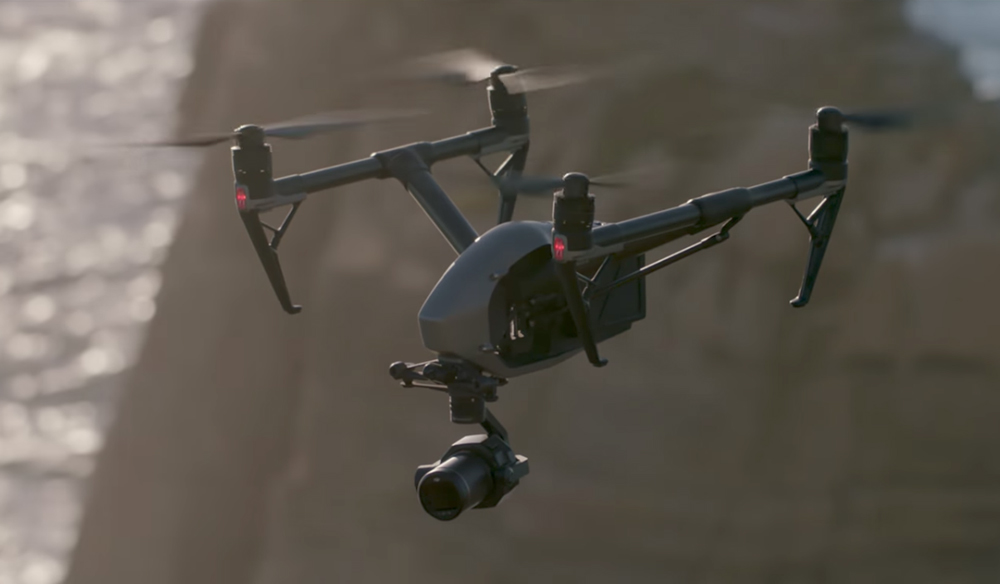
Top image via Blackmagic Design.
Lower prices and new top-tier features make choosing the right camera difficult. This roundup will help you find the right camera for the job.
Camera manufacturers like ARRI, RED, Blackmagic, Sony, and Panasonic are listening to their customers and delivering some of their best models yet. They are packed with the features and improvements we’ve been asking for.
For example, ARRI redesigned the ALEXA Mini to be more modular, making it a favorite among MOVI and drone pilots. Panasonic’s GH5 offers powerful in-camera stabilization and high frame rate options for 4K, making it perfect for travelers and small-budget documentaries. And Blackmagic’s URSA Mini Pro features programmable buttons and sought-after ENG functionalities.

In this camera roundup, I’ll share my recommendations for the best cameras to use:
- ARRI ALEXA Mini
- RED RAVEN
- Blackmagic URSA Mini Pro
- Sony aS7 II
- Panasonic Lumix GH5
I’ll cover their most popular features, pros and cons, price points, best-use scenarios, and even showcase inspiring work shot with these cameras.
My Process for Rating and Reviewing These Cameras
When researching this camera roundup, I used several benchmarks to compare these models. I graded each camera based on:
- Rental price
- Estimated cost-to-rig
- Portability
- Pros & cons
- Best uses
I based all rental prices and cost-to-rig estimates on a four-day rental period from the rental house LensProToGo (my personal go-to rental company for about 99% of my projects).
I rated the portability based on my own experience and user feedback. The scale I used is as follows:
- 1 — not portable
- 2 — difficult to transport
- 3 — somewhat portable
- 4 — portable
- 5 — highly portable
I’ve also included links to the best in-depth reviews of each camera, as well as finished films shot using these cameras.
Let’s dive in.
1. ARRI ALEXA Mini
Best Uses
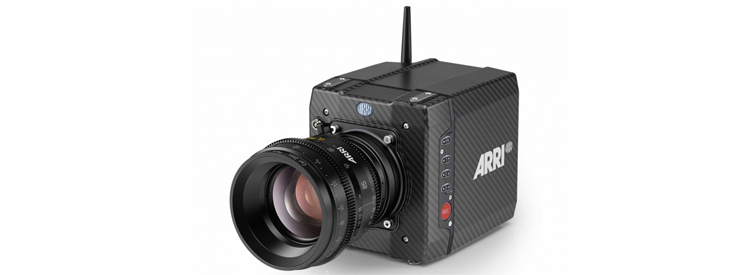
The ALEXA Mini is perfect for mid-range budget feature films, short films, commercials, or music videos shot in low or natural light environments. It excels in true anamorphic shooting.
Review
The ALEXA Mini is the most expensive option in this review, but it’s worth it. Its modular design makes it incredibly versatile. The form factor was a highly sought-after improvement suggested by MOVI and drone pilots who wanted the excellent quality of the ALEXA sensor in a smaller size.
A recent firmware update allows DPs to shoot full gate on ALEXA’s 4:3 sensor, making it an excellent choice for cinematographers who want to shoot true anamorphic without cropping the sensor.
Rental price (4-day rental) — $2,365.00
Click here for the LensProToGo Rental Kit for the ARRI ALEXA Mini.
Cost-to-rig — $1,800-$2,450
Portability — 4
Portable (Note: Depending on your rig configuration, the ALEXA Mini can be very portable, or downright stone-like.)
Pros
- Modular design makes it extremely versatile, and it integrates nicely with drones, MOVIs, and Ronins.
- Unparalleled color science and beautiful skintones.
- 4:3 full sensor license allows you to shoot true anamorphic without cropping the sensor.
- Can be stripped down and highly portable or rigged to the hilt, depending on your needs.
Cons
- Does not shoot true 4K (3.2K upscaled in camera)
In-depth Reviews
Looking for more on the ALEXA Mini? Check out this in-depth review by Atlanta-based filmmaker, Brent Zaffino.
Inspiration
2. RED RAVEN 4.5K

Best uses
If you’re working on a budget and need a camera for graphics-heavy projects shot in artificial light environments, the RED RAVEN 4.5K is the perfect choice. It’s also a favorite among high-end wedding videographers.
Review
The RED RAVEN 4.5K is an excellent choice for DPs who want to enter the RED playing field.
Rental price (4-day rental) — $750.00
Click here for the LensProToGo Rental Kit for the RED RAVEN.
Cost-to-rig — $800-$1,500
Portability — 3
Somewhat portable.
Pros
- Modular design makes it versatile and integrates nicely with drones, MOVIs, and Ronins.
- 120fps at 4.5K is great for the price point.
- 16 stops of dynamic range, plus HDRx (2 frame recording, letting you shoot two exposures), which allows for great flexibility in post.
- User friendly menu and interface.
Cons
- You have to use RED mini mags.
- Change of crop factors for different resolutions (4.5K = 1.87x; 2K = 3.74x).
- No built-in NDs.
- Noise present at 3200 ISO.
In-depth Reviews
Inspiration
3. Blackmagic URSA Mini Pro 4.6K
Best uses
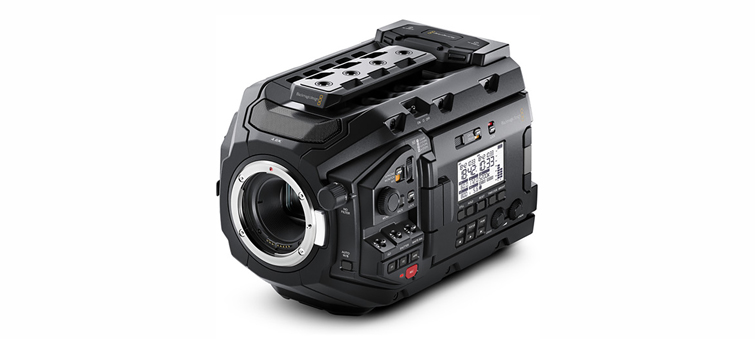
If you’re working on lower-budget short films and commercials with little to no graphics, the Blackmagic URSA Mini Pro 4.6K is a versatile camera that is a favorite for documentaries.
Review
I love the Blackmagic series. I’m a big fan of the Pocket Cinema Camera, which I mention in this post — Build Your First Filmmaking Kit for Less Than $5,000.
The form factor of the URSA is personally the largest form factor that I’ll travel internationally with. In daylight, the Blackmagic sensors work wonders, colors are balanced, and I prefer the skin tones of Blackmagic sensors over RED’s DRAGON sensor.
Rental price (4-day rental) — $366.00
Click here for the LensProToGo Rental Kit for the Blackmagic URSA Mini Pro.
Cost-to-rig — $800-$1,200
Portability — 3
Somewhat portable
Pros
- 4.6K resolution; best option for the price.
- Internal ND filters.
- Swap between EF, PL, and B4 lens mounts.
- Programmable buttons on the exterior of the camera for quick access to functionality.
- Ergonomic design, and weight distribution is great for shoulder mounted shots.
Cons
- Noise present at low ISOs, not recommended as a low light camera
In-depth Reviews
Inspiration
4. Sony a7S II

Best uses
The Sony a7S II is perfect for weddings and events filmed in low-light environments. It’s also great for timelapses and offers an excellent low-cost alternative for filmmakers seeking the “cinematic look.”
Review
Both the a7S and the a7S II garner praise for their low light sensor and for good reason. Perhaps the best low light sensor in this price range, the a7S II has a max ISO of 409,600 — though the footage, in my opinion, is unusable at that point. But you can push it to 12,800 and still have usable footage — though I’ve shot at 3200 with negligible noise.
The SLog-3 profile is an excellent profile to work with when color grading, and it gives you a nice flat image to work with in post.
The a7 series in general is a dynamite favorite for timelapse photographers. I would recommend the a7S II for those who are specifically looking to capture timelapses while traveling and still
Looking for a photo camera that takes stunning images? Look no further!
Rental price (4-day rental) — $160.00
Click here for the LensProToGo Rental Kit for the Sony a7S II.
Cost-to-rig — $400-$600
Portability — 5
Highly portable
Pros
- Compact form factor makes it a highly portable and less intrusive option.
- 5-axis internal stabilization makes it a great choice for travelers who don’t have gimbals on hand.
- SLog-3 picture profile is one of the most popular profiles for its flat image, and it gives you lots of room to color grade.
Cons
- Short battery life (30-40 mins continuous use) and therefore need spares on hand.
- Sony menus are less intuitive than the ARRI, RED, and Blackmagic menus.
- Can overheat when shooting 4K for longer periods of time.
- Limited high frame rate options; no high frame rates at 4K.
In-depth Reviews
Check out this in-depth review of the Sony a7S ii by Caleb Wojcik.
Inspiration
5. Panasonic Lumix GH5
Best uses
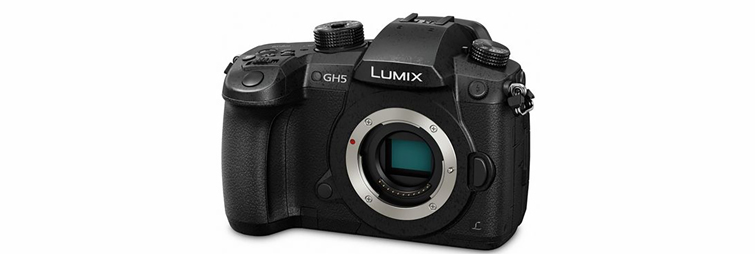
Low-budget documentaries and travel.
Review
The GH5 lets you shoot 4K at 60 fps. No doubt this is the functionality that has the DSLR/mirrorless filmmaking community most excited, and rightfully so: no other DSLR/mirrorless camera for the price has come close to this.
Another feature that has me thinking seriously about purchasing the GH5 is the dual SD card slot. Mostly seen on higher-end production cameras, this feature means backing up footage, or recording full output to one card, and proxies on another saving time in post.
Rental price (4-day rental) — $124.00
Click here for the LensProToGo Rental Kit for the Panasonic GH5.
Cost-to-rig — $400-$600
Portability — 5
Highly portable
Pros
- 60 fps at 4K resolution.
- Compact form factor and 5-axis internal stabilizer makes it a great option for travelers.
- Dual SD card slots.
Cons
- Micro four-thirds lens mount; you’ll need adaptors if you’re using Canon, Nikon, or Sony glass.
- Short battery life and therefore you need spares on hand.
In-depth Reviews
Check out this in-depth review of the Panasonic GH5 by Michael Maher on Premium Beat.
Inspiration

Other Articles
5 Filmmaking Tips: Master the Art of Practical Gore Effects
DJI Unveils 6K Zenmuse X7 Camera and 4 Prime Lenses