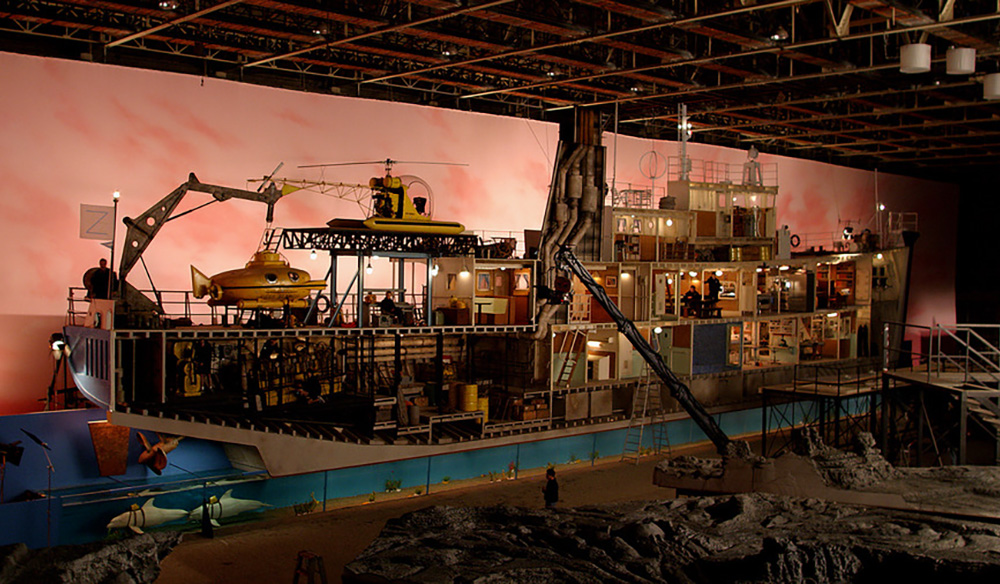
Get inspired with a few insights from ‘Human Technology’ cinematographer Mauro Chiarello.
When it comes to shooting a process documentary, there are unique challenges and advantages that set it apart from a narrative film. While the idea and treatment are already established, there is still room for creative choices that can elevate your documentary to the next level.

Take a look at the film ‘Human Technology’ produced by Art+Vibes for Beretta, a captivating process doc that delves into the creation of one of Beretta’s premium guns. If you haven’t seen it yet, here’s the film:
The cinematography in this film is truly mind-blowing, don’t you think? It excels in every aspect of storytelling, from color to composition to pace. After watching it, I had the opportunity to ask the cinematographer, Mauro Chiarello, about how he achieved those fantastic shots.
Q&A with Mauro Chiarello
Q: What type of camera/lenses did you use?
MC: I shot ‘Human Technology’ using the Arri Alexa Plus and Arri Alexa M cameras, paired with a set of Cooke S4 Primes lenses, 2 macros Zeiss (60mm+100mm), and an Angienieux Optimo Zoom 24-290mm.
Q: Did the video use mostly natural or artificial lighting?
MC: For the most part, I relied on artificial lighting. However, I did incorporate natural light for certain scenes, such as the steel coulee at the furnace, the man walking into the woods, and the last 3 shots with the hunter.

While there were a few shots that combined natural and artificial lighting, the majority of the film was lit artificially. Even the robot sequences were filmed with artificial lighting. We carefully planned and executed the lighting setups, aiming for a clean and polished look.
Q: How long did it take you to shoot the entire documentary?
MC: It took us 3 days of shooting, along with 3 additional days for location scouting and technical reconnaissance with my crew.
Q: Did you run into any unique challenges on-set?
MC: We encountered several challenges during the shoot. One of the most difficult ones was on the first day when we filmed in a blast furnace at a very high temperature, which posed risks for both the tech equipment and ourselves. The location was dangerous and limited our movement. It was frustrating not being able to freely maneuver the camera in that space. Additionally, we only had one opportunity to capture the steel coulee in all its stages. We mounted the Optimo zoom with remote controls on the camera and moved quickly back and forth to capture as much as we could. It was a physically demanding and intense experience, but my camera crew supported me throughout.
Q: Do you optimize your footage for post-production in any way? (Shooting techniques, color considerations, etc.)
MC: Before I start shooting, I usually make most of the decisions regarding color direction, frame rate, lenses, and other factors. This ensures that my footage is always optimized for post-production. However, it’s important to note that there is no one-size-fits-all approach. Each project has its own unique features that require specific treatments.

When shooting with the Alexa, especially in natural or mixed light, I like to check the color temperature using the Auto White Balance on a grey card. This helps me make informed color decisions on set.
Q: Do you have any tips for other filmmakers who may be shooting a process documentary?
MC: While I don’t typically shoot process documentaries, ‘Human Technology’ was my first. My general advice for filmmakers is to observe, feel, and then act. Sometimes, overthinking is not necessary!
If you want to see more of Mauro’s inspiring work, be sure to check out his website or Vimeo channel.
What are your thoughts? Do you have any tips for shooting inspiring process docs? Let us know in the comments below.

Other Articles

3 Lessons in Video Marketing from Wipster’s CEO
Master the Art of Appreciating Subtle Production Design