This Netflix original series relies on vertical cell phone footage and animated social media conversations, giving us a glimpse of future documentaries.
All images via Netflix.
Prepare to be blown away by the future of documentary films and docu-series with American Vandal, a mockumentary investigation series that hilariously explores the mystery of spray-painted genitals on cars. This Netflix gem takes true-crime spoof to a whole new level as it delves into the whereabouts of teenagers during a high school prank.

After binge-watching every episode, I can confidently say that American Vandal is not only incredibly funny in the most juvenile ways, but it is also a masterfully crafted series. The fact that they managed to stretch the premise to eight episodes and keep me captivated is truly astonishing. The show is a visual treat, with beautifully shot scenes, expert editing, and vibrant colors that perfectly capture the essence of adolescence: acting like an idiot with your friends.
I could go on and on about the show, but I’ll let you discover its brilliance for yourself. You can watch the (NSFW) trailer here.
Now, let’s dive into how this mockumentary brilliantly pokes fun at true-crime dramas while delivering a well-crafted series. From cleverly mocking the overuse of sliders and drones to incorporating vertical cell phone footage and social media, American Vandal has it all. And I’ll even show you how you can create your own animated social media interfaces using these techniques.
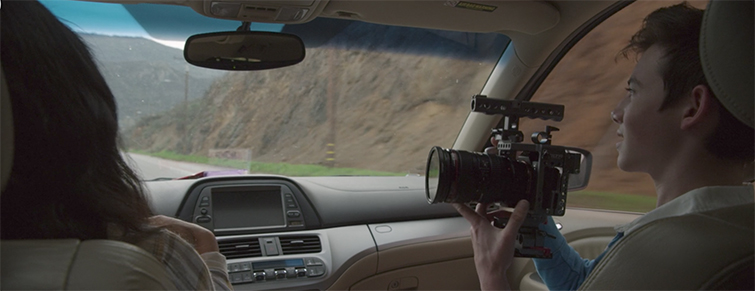
As I watched the show, I couldn’t help but relate to the high school students who were shooting, editing, and narrating the series. Like them, I wasn’t the coolest kid in school, struggled with girls, and spent an excessive amount of time with a camera in my hands.
Cinematographer Adam Bricker perfectly captures the series in a way that reflects the perspective of a high schooler, albeit in a more professional manner. The use of mirrorless cameras, such as the Sony a-series, and equipment like sliders and drones adds authenticity to the portrayal of these aspiring filmmakers.
(If you haven’t already watched our video tutorial on not overusing drones by Zach Ramelan, I highly recommend checking it out. He makes some great points about the excessive use of drones and sliders in today’s filmmaking world.)
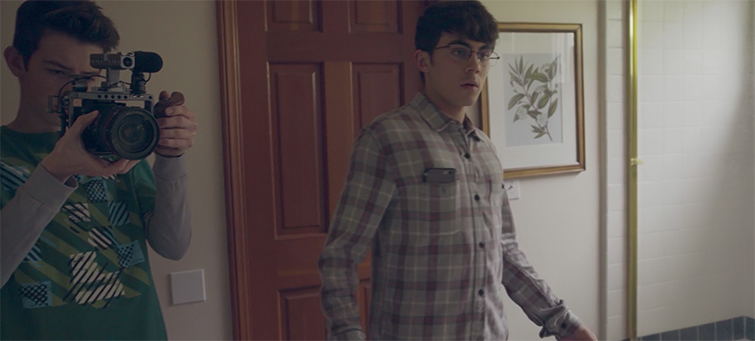
In episode six, we get a glimpse of the faux-filmmakers preparing to shoot undercover using an iPhone camera hidden in a shirt pocket. It’s a not-so-sneaky trick that adds to the authenticity of the series. The camera rig they used for most of the other footage is also visible.
While American Vandal was primarily shot in 6K on the RED WEAPON DRAGON with Leica Summicron-C primes and a Fujinon Cabrio zoom lens, the crew also utilized mirrorless cameras, iPhones, and GoPros to capture party footage and prank videos, maintaining the genuine feel of a teenage scenario. And let’s not forget the stunning aerial footage, courtesy of the talented crew at Drone Dudes.
View this post on InstagramA post shared by Adam Bricker (@realadambricker)Are you a fan of American Vandal? Well, you’re in for a treat! In a recent interview with The Verge, Tony Yacenda, co-creator and director of the show, revealed how they captured the essence of modern teenagers by exploring the apps they actually use.
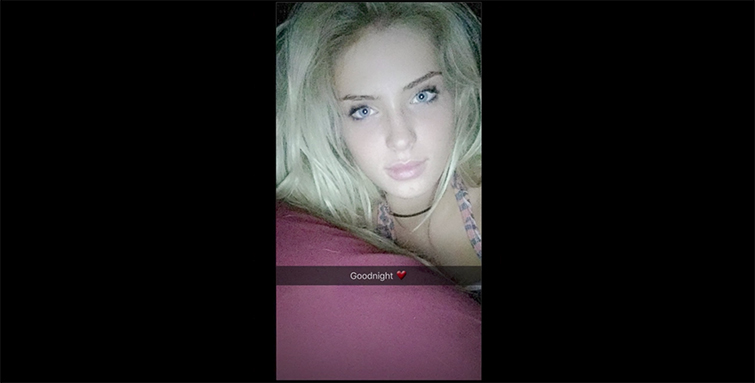
It turns out that high school kids aren’t really into Facebook anymore. They’re all about Snapchat and Instagram. But here’s the interesting part – they have a public Instagram account and a private one just for their close friends. It’s where they share all their memes and inside jokes.
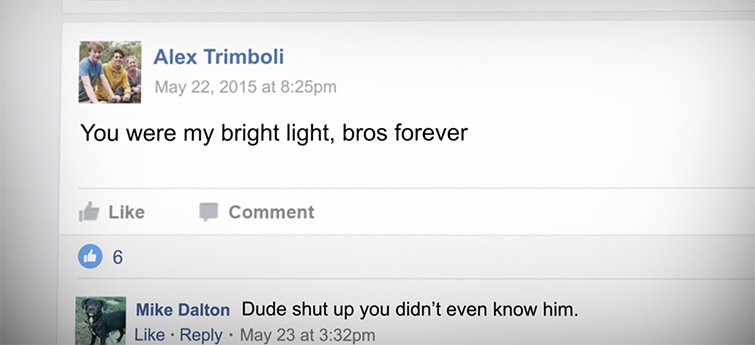
By incorporating these real interfaces into the show, American Vandal gives us a glimpse into what documentary filmmaking might look like in the future. Imagine news segments filled with viewer tweets and vertical cell phone footage of storms. It’s a whole new level of authenticity.
In the same interview, Yacenda explained their approach to filming:
We wanted to make sure there was a logical reason for a high school kid to be shooting a video. Maybe they’re taking a selfie in the foreground while something interesting happens in the background.
Co-creator and writer Dan Perrault added:
We wanted to capture a lot of B-roll footage from iPhones. So we cleared the crew out of the room and let the kids film the party naturally with their own phones.
With the abundance of user-generated content, American Vandal raises questions about the future of documentary filmmaking. How will filmmakers navigate through the vast amount of media available to them?
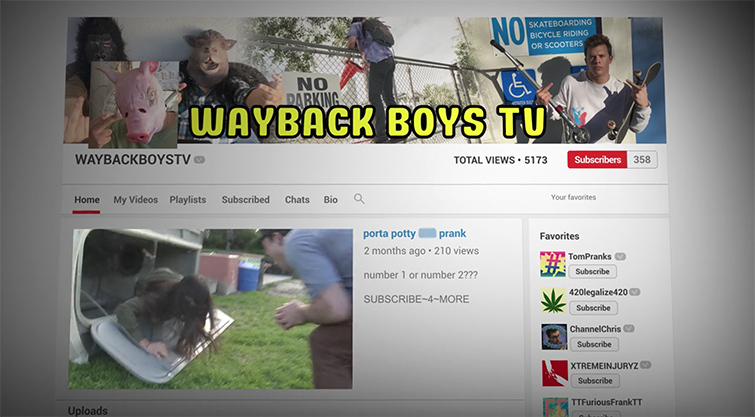
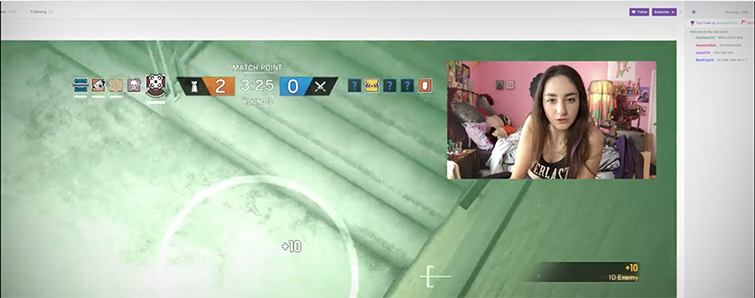
But fear not, because American Vandal has already figured it out. The show seamlessly integrates footage shot on iPhones, GoPro cameras, and various social media platforms like Facebook, Instagram, Twitter, SnapChat, Twitch, and YouTube.
The presence of social media and online platforms in the show is truly remarkable. It’s not just a passing reference, but an integral part of the story. American Vandal captures the essence of online life like no other.
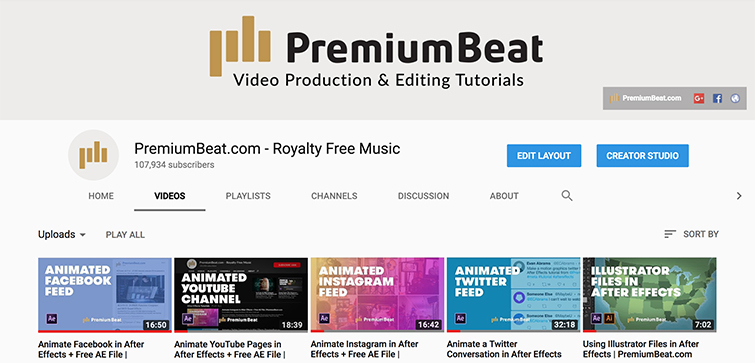
If you’re interested in recreating and animating social media platforms, we’ve got you covered. Check out our After Effects tutorials on creating the user interfaces for Instagram, Facebook, Twitter, and YouTube.
- Create and Animate the UI of Instagram with Adobe After Effects
- Create and Animate the Facebook UI in Adobe After Effects
- Learn How to Animate Twitter Conversations in After Effects
- Create and Animate the YouTube UI in Adobe After Effects
Even if you’re not a fan of the show, it’s worth watching at least the first episode to get a glimpse of the future of documentary filmmaking.
Thanks for reading! If you’re interested in more articles like this, check out these pieces:
- How Editor Paul Machliss Cut Baby Driver in Real Time on Location
- A Look Inside the Post-Production Process Behind “It”
- Inside Atomic Fiction: An Exclusive Interview With a VFX Powerhouse
- The Media Machine Behind the Dallas Stars
- Interview: Director of Photography Behind HBO’s The Defiant Ones
- Interview: Director of Photography Jake Swantko of Netflix’s Icarus
rnrn

Other Articles
Next September 1, 2023
6 Ways Lighting Gels Can Enhance Your Photography
PreviewsSeptember 1, 2023The Ultimate Shreditor’s DIY Post-Production Guide