Wondering what video gear you need to pack for a destination or travel shoot? Here are all the tools you will need while you’re away.
Top image via Shutterstock.
The following is an excerpt from Shutterstock’s The Explorer’s Guide to Travel Photography and Destination Video.
The free e-book also covers the following topics:
- Travel Tips and Regulations.
- Cameras for Travel Photography and Destination Video.
- Lenses for Travel Photography and Destination Video.
- Gear and Accessories for Travel Photography and Destination Video.
- Shooting on Location.
Go grab a free copy of the e-book as a downloadable PDF on the Shutterstock blog.
Gear and Accessories for Travel Photography and Destination Video

Shutterstock image by rdonar.
Shooting abroad poses one of the biggest challenges for photographers and videographers. How much gear is the right amount? From extra baggage fees to misplaced luggage, there are plenty of valid concerns.
Your best resource is your own research of the locations. You may find that some places, like major cities, have plenty of rental houses for you to rent additional gear — like specialty lenses or big gear like tripods. Renting can save you the hassle of packing all your gear.
If you don’t have the luxury of renting, choosing the right gear should be a priority.
Batteries and Power

Shutterstock image by EKKAPHAN CHIMPALEE.
To operate your camera, you’re going to need power. Depending on your location, you may not have access to electricity while shooting. Be sure you have enough batteries to keep you out in the field long enough to capture what you need.
The camera isn’t the only thing that needs batteries. Don’t forget AA, AAA, 9V, or any other type of battery you may need to operate equipment like lights. It’s also recommended to carry a battery pack so you can recharge your phone while on location.
In addition to batteries, it’s always good to have some surge protectors and an extension cord to add a few outlets to your hotel room. Don’t forget power adapters for the various types of outlets around the world. Make sure you have one that works in the country or countries you are headed to. If you will spend significant time in a car, pack a car charger as well.
Memory Cards
Now that you have a camera, lens, and batteries, you’re certainly going to need plenty of memory.
If you plan to shoot a ton of material, your first thought may be to purchase one very large SD or CF card. While that may seem like an easy solution, it’s actually best to have multiple smaller cards. That way if something happens on location — like dropping your camera into the water — then you will still have all the photos and footage you shot on the other memory cards.
Make sure you purchase the appropriate card speed for your camera, as that will help you capture the best quality images as quickly as possible. Don’t forget to pack any cables you may need to dump and back up your photos and video.
Tripods, Monopods, and Stabilization
Shutterstock image by eldar nurkovic.
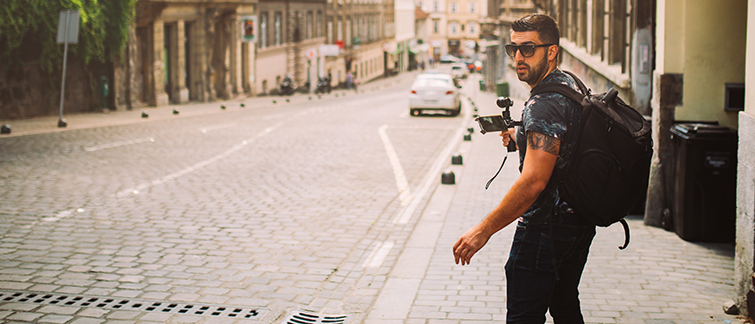
Stable images and footage are crucial for a successful travel shoot. You will want to find gear that is as light as possible. Carrying heavy sticks over a long period of time will really wear you down and hurt your back. Compact gear should be a priority.
Monopods are the easiest form of stabilization to travel with. They are incredibly compact, and even some of the more rugged ones are still rather lightweight. A carbon fiber monopod may cost more upfront, but it is well worth the price.
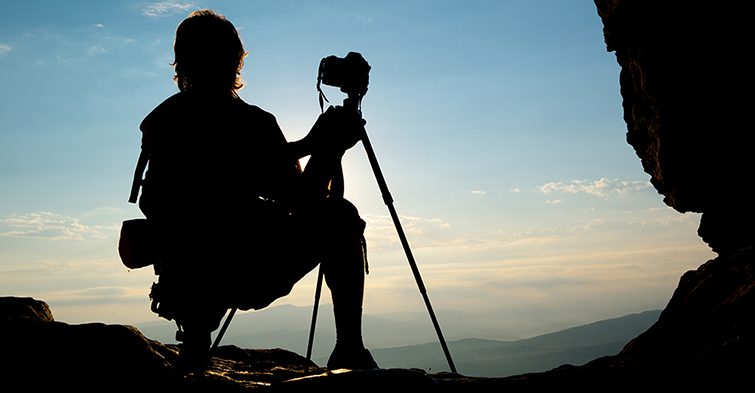
Tripods are the standard form of stabilization for photographers and videographers. There are a ton of different options, and there is a whole market for traveling shooters. You can find compact tripods that collapse to an incredibly small size. There are a variety of heads, from traditional mounts to pistol grip pivot heads. Tripods with pivoting heads tend to be the best for travel since they can offer level images no matter how rugged the terrain. There are also travel tripods that have additional features like built in flashlights.
Shutterstock image by djgis.
When it comes to choosing the right tripod, your main concerns should be the weight, size when collapsed, tallest height when extended, and weight tolerance.
Videographers may want more options when it comes to stabilization. There are travel shoulder-rigs built for a variety of cameras, as well as traditional stabilizers like a Steadicam. When traveling, weight should be a primary concern, as well as the size of the rig when collapsed. The smaller the better, but remember that a variety of small parts greater potential for losing pieces in the shuffle. You may also need a set of tools to put the rig together, depending on the type of stabilizer you choose.
Lights, Flashes, and Reflectors
Photographers will be quick to find that traveling with a video light is usually a must. It can help you capture well-lit shots in any location, whether it’s indoors or outdoors. Make sure to choose a light that is portable and easy to carry.
Flashes are also important for photographers, especially when shooting in low-light conditions. They can provide additional light and help you achieve the desired exposure. Consider carrying a compact and powerful flash that can be easily attached to your camera.
Reflectors are useful tools for manipulating light and adding fill light to your subjects. They come in various sizes and colors, allowing you to create different lighting effects. Look for collapsible reflectors that are lightweight and easy to pack.
be more comfortable than backpacks. They allow for quick and easy access to your gear, making it convenient for shooting on the go. Plus, they have a sleek and stylish design that won’t make you stand out as a tourist.
If you have a larger amount of gear or need to carry a tripod, a backpack is the way to go. Look for one with adjustable compartments and padding to protect your equipment. It’s important to find a backpack that distributes weight evenly and has comfortable straps, especially if you’ll be hiking or walking long distances.
When it comes to carry-ons, make sure to check the airline’s size and weight restrictions. Look for a bag that meets those requirements and has enough space for your essential gear. Some carry-ons even have built-in compartments specifically designed for cameras and lenses.
Remember, the right bag will not only protect your gear but also make your travel experience much more enjoyable. So take the time to find the perfect bag that suits your needs and style. Happy shooting!Start to wear out your shoulders. For the best experience, consider an ergonomic backpack-style camera bag.

Shutterstock image by Maria Savenko.
Camera backpacks are perfect for travelers, and they come in a variety of sizes. There are small bags for those with just a camera and a couple lenses, and there are heavy-duty backpacks that can carry several camera bodies, lenses, and gear. You can even clip on additional gear outside of large bags, like your tripod. These backpacks help keep you moving, so look for a bag that distributes weight evenly with nice, sturdy straps. Most backpacks will also meet the carry-on requirements for your flights.
For safety and security, inconspicuous bags are better, as thieves can easily spot tourists with expensive camera gear. Low-profile bags are the best for getting around unnoticed. Also consider removing any camera straps with brand names and placing gaff tape over the brand name on the camera body. There’s no need to draw extra attention to yourself.
For more tips and tricks on destination video, check out the The Explorer’s Guide to Travel Photography and Destination Video on Shutterstock.
I’d also recommend these articles on traveling with photo and video gear:
- A Travel Guide to Taking a Drone on a Plane
- The Traveling Videographer’s Guide to the Monopod
- 5 International Travel Tips for Filmmakers and Videographers
- The Video Gear I Can’t Travel Without
- Tunes for Travelers: Royalty Free Music for Travel Videos and Vlogs

Other Articles
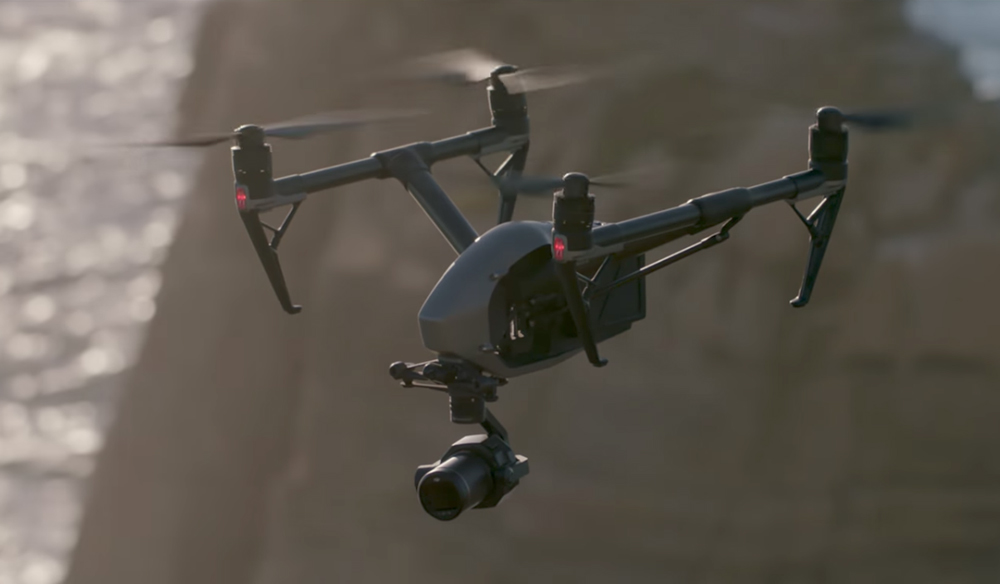
DJI Unveils 6K Zenmuse X7 Camera and 4 Prime Lenses
HBO’s Spielberg Documentary: A Must-See for Aspiring Directors