The interview is an important aspect of documentary filmmaking. Check out these must-know interview tips before starting your next project.
Top image via Pat Mills
When it comes to documentary filmmaking, conducting a solid interview is absolutely crucial. It sets the foundation for your project and can make or break the final result. Every filmmaker has their own unique approach to interviews, and it’s fascinating to see how different directors capture their subjects’ stories. In this article, we’ll explore some essential interview tips that every documentary filmmaker should know.
1. Prepare Accordingly, but Remain Adaptable
 Image: documentarian Laura Poitras researching, via The New York Times
Before you even think about picking up a camera, thorough research is an absolute must. Take the time to dive deep into your subject matter and gather as much information as possible. This will allow you to ask intelligent and informed questions during the interview. By adapting your questions to match your subject’s responses, you’ll be able to create a more engaging and meaningful conversation.
2. Avoid “Yes” and “No” Questions
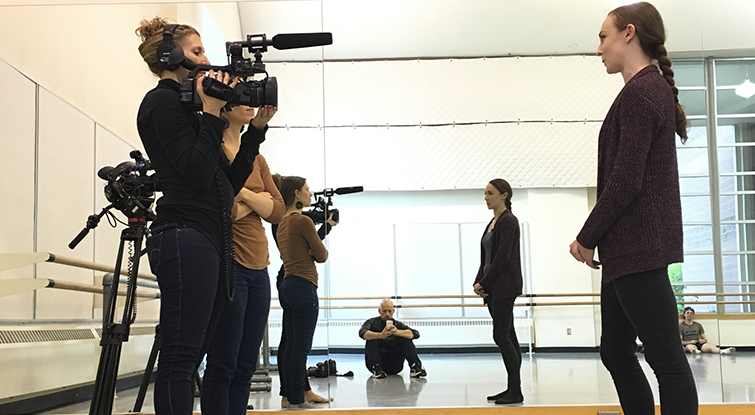 Image: documentary filmmaker Nel Shelby and crew during interview, via Nel Shelby Productions
Crafting your questions is a crucial step in the interview process. Establish a rapport with your subject before the interview, but be careful not to over-prepare them. You want their responses to be genuine and authentic. Develop your questions based on your research and correspondence with your subject. Make sure your questions are open-ended and encourage detailed and thoughtful responses. Asking your subject to restate the question before answering can also help create a more cohesive and engaging interview.
The secret to asking revealing questions is to ask about the subject’s “feelings and emotions” and to ask the subject to tell you a story full of details. – The Wild Classroom
3. Ensure Your Subject Is Comfortable
 Image: Fredrick Wiseman’s crew before filming National Gallery, via DVDExotica
Creating a comfortable and relaxed environment for your subject is essential. While you may be accustomed to being around cameras, your subject might not be. Take the time to chat with them and make small talk before the interview. Show genuine interest and make them feel at ease. By establishing a positive and comfortable atmosphere, your subject will be more open and willing to share their story.
4. Be Engaging With Your Subject
 Image: documentary Filmmaker Errol Morris during an interview
During the interview itself, it’s crucial to maintain a high level of engagement. Your energy and enthusiasm will directly impact your subject’s energy and enthusiasm. Keep eye contact throughout the interview to establish a connection and show that you are fully present. Avoid distractions and actively listen to your subject. An engaged subject will provide more compelling and authentic responses.
5. Leave Spaces to Breathe
 Image: documentarian Clio Barnard on set of The Arbor, via IMDb
When conducting an interview, it’s important to leave room for edits and post-production. Give your subject a moment to gather their thoughts before answering a question. After they finish speaking, allow for a brief pause. These moments of silence can be incredibly powerful and provide space for reflection and emotion. Don’t rush to move on to the next question. Some of the most impactful moments in an interview can happen during these post-question conversational moments.
What approach do you take to interviews? Share your thoughts in the comments below.

Other Articles

3 Hilarious Twitter Feeds for Video Editors
Filmmaking 101: Creating a Video from Scratch