Running your video shoots as a one-man band? Here’s everything you need to know about shooting solo.
Cover image via Shutterstock.
Curious about what a shreditor is? Check out this article, or dive into our earlier post to learn how to master the art of being an ultimate producing, shooting, and editing shreditor.
In this article, we’re going to focus on the shooting aspect of the shreditor lifestyle. Being a video professional means having a strong attention to detail, a hunger for keeping up with the latest digital technology, and the ability to capture the best footage in any situation.
However, being a full-blown shreditor also means finding yourself in high-stress situations where you may not have all the time in the world to get the shots you need — so you’ll need to be able to adapt and improvise to get the best footage possible to enhance your editing process later on.
Let’s dive into some recommended gear to keep at your disposal — along with the resources you need to stay sharp for any shooting production.
Cameras

Image via Shutterstock.
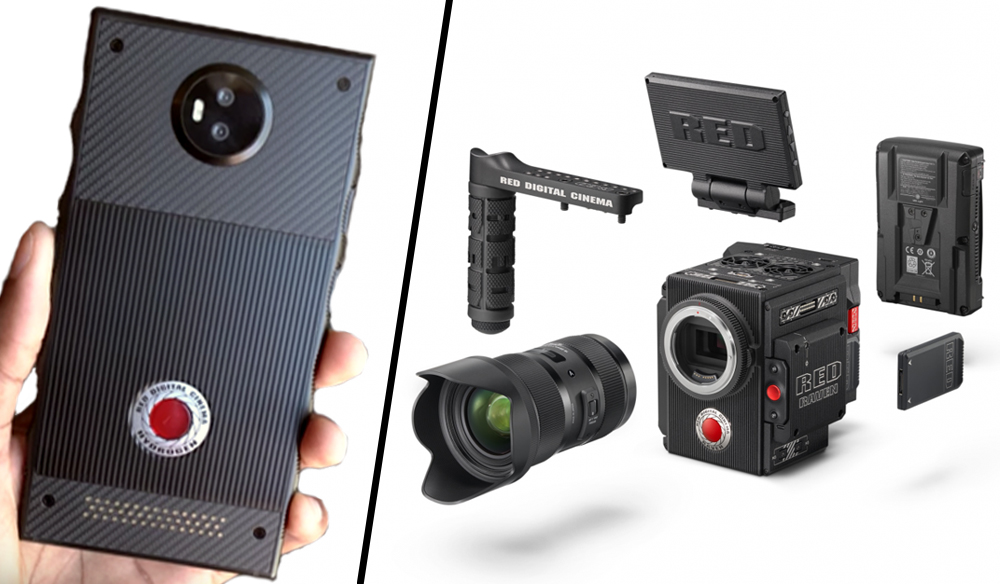
In addition to owning a camera, a good shreditor should be a familiar face at your local rental house. An ideal shreditor kit may include a higher-end camera like a RED Raven, or even a Blackmagic URSA Mini Pro. However, in many cases, it may make more sense to rent those as needed. You’ll at least need a reliable (preferably 4K ready) DSLR or mirrorless camera, so here are three solid options.
Canon 5D mk IV — $3,299
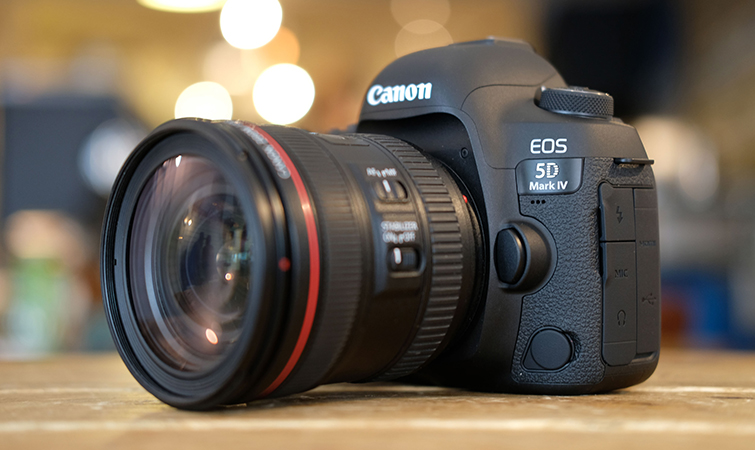
The Canon 5D has been an industry favorite for quite some time — particularly for prosumers and shreditors. The Mark IV continues the legacy as one of the best DSLRs on the market with a 30.4 megapixel full-frame sensor and 4K video capture. However, you may be able to save a good deal of cash and invest in the Canon 5D mk III or mk II — or even the Canon 7D.
Sony a7S II — $2,499

While the Canon 5D may be my first recommendation, the days of its dominance of the market are numbered. Sony’s a7S mirrorless camera has changed the game with its sharp image capture, 4K video recording, and impressive low light capabilities — all at a more affordable price than the latest 5D. You can also consider the a7S Alpha as a used option.
Panasonic Lumix GH5 — $1,999

Panasonic’s Lumix GH5 rounds out our recommended list as a tightly contested third option. The GH5 mirrorless camera offers similar 4K recording (at 60p) and a powerful 20.3 megapixel four thirds sensor. The GH4 certainly turned heads when it debuted (and is still a great option in itself), but the GH5 remains competitive thanks to its attractive price point.
Lenses
As with cameras, while it’s worth it to own a few favorites, you can always rent a set of primes for certain shoots. However, to pair with your go-to DSLR or mirrorless, here are a few suggestions for your ready-to-go bag. (Note: lenses listed are EF mount; here is a great resource for lens mounts and adapters to keep in mind.)
24-105mm f/4 — $999

If you’re looking for fresh gear, investing in a package deal on your camera is usually a great way to save money. As an added bonus, many cameras these days come with a stock lens like the 24-105mm f/4. No matter how you acquire it, this truly is a great lens for a shreditor — here’s why.
With a versatile focal length, the 24-105 is a perfect match for both full-frame and four thirds cameras, providing the greatest coverage possible. Whether you’re shooting on the go at an event or under pressure to set up a shot quickly, 70mm of zoom can save time and give you more flexibility in your cinematography.
50mm f/1.4 — $349

If you’re looking for a prime lens, the 50mm f/1.4 isIntroducing the Shreditor’s Essential Gear Guide!
Ah, the legendary 50mm lens, also known as the “nifty fifty.” It’s been a favorite among photographers for years. If you’re used to shooting with a f/4 zoom lens, upgrading to a f/1.4 prime lens will give you the ability to capture stunning shots with a sexy shallow depth of field. Perfect for close-ups and stylized tableaus, a 50mm lens is a must-have in every photographer’s bag.
While not essential, it’s worth considering adding a prime 35mm or 85mm lens to your collection if you can afford it. These lenses offer different perspectives and can add variety to your shots, especially if you’re shooting with a crop sensor camera.
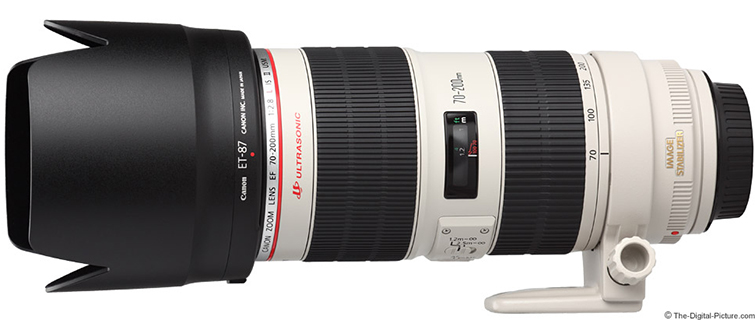
Now, let’s talk about the Canon 70-200mm f/2.8 lens. This beast of a zoom lens is not for the faint-hearted, but if you’re willing to invest in it, you won’t be disappointed. It’s perfect for situations where you need to shoot from a distance and still capture incredible detail. Many photographers rent this lens for weekend shoots, and it never fails to impress with its rich capabilities.
Tripods
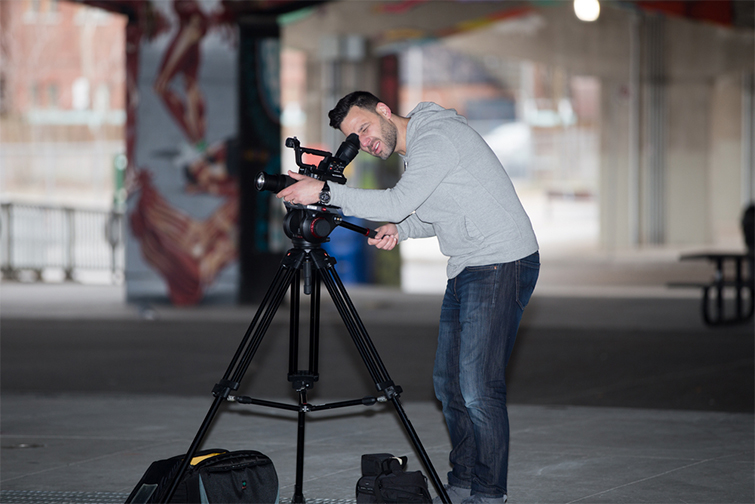
Image via Shutterstock.
Now, let’s talk about tripods. A solid tripod is an essential tool for any photographer. It needs to be sturdy enough to support your camera and any additional equipment you might use, but it also needs to be lightweight and portable. Finding the right balance between sturdiness and convenience is key. Consider options like the Benro Aero 4 Video Travel Angel Tripod, the Manfrotto MVH502A Fluid Head/MVT502AM Tripod, or the Miller Air Alloy Tripod.
And don’t forget about monopods! They’re a great alternative, especially if you occasionally work with photography. Here are some resources to help you choose and work with your tripods:
- Everything You Need to Know About Tripods for Video
- Buying Tips: Tripods for Video
- 5 Amazing Tripod Camera Moves
Mounts and Rigs

Image via Shutterstock.
Now, let’s dive into the exciting world of mounts and rigs. As a shreditor, you need to be ready to get your camera moving. Whether it’s controlled movements with a slider, crane, or dolly, or the freedom of a handheld gimbal, Steadicam, or shoulder mount, there are endless possibilities to explore. Talk to fellow photographers, try out different options, and find the perfect combination for your needs. Here are some recommendations:
- Shoulder Mount – $359.00
- Handheld Gimbal – $688.00
- Slider – $139.95
- Dollies – $675.00
- Crane – $699.95
- Steadicam – $595.00
If you’re looking to save some money, there are also DIY options to consider:
- Gear Hacks: DIY Camera Stabilizers and Rigs for Under $25
- Build Your Own Butt/Pedestal Dolly for under $140
- DIY Hacks: 10 Cheap Tripod Dolly Options to Try at Home
- 5 DIY Filmmaking Gear Tutorials
Audio Recording
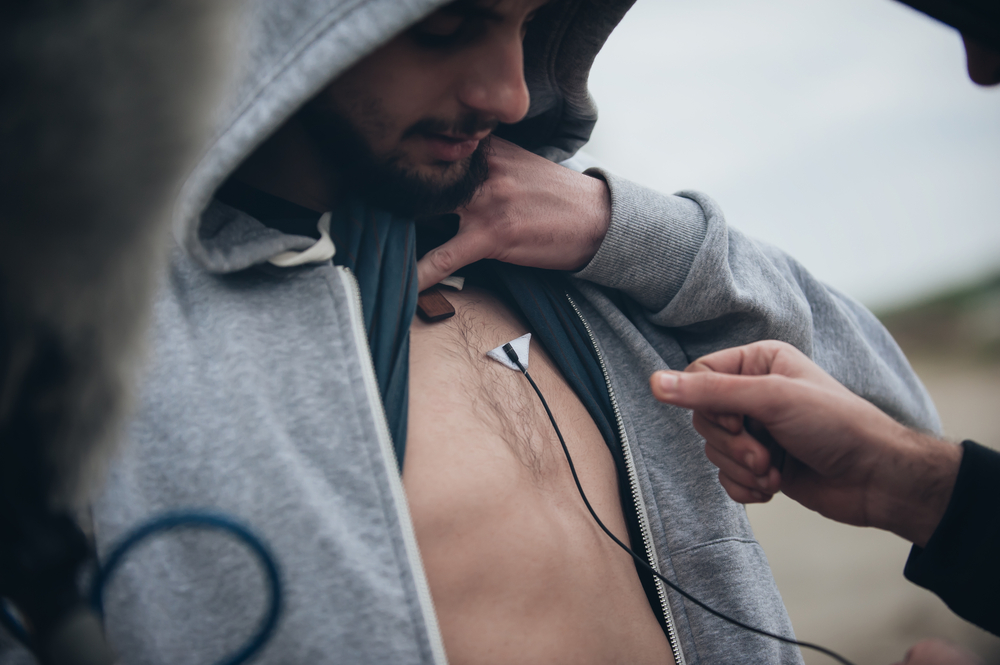
Image via Shutterstock.
Once your camera is set up, it’s time to put on your audio technician hat. Capturing high-quality audio is no easy task, and on most productions, it’s a job for a dedicated operator or even a whole department. But as a run-and-gun shreditor, you’ll have to handle audio yourself. It’s a challenge, but with the right tools and techniques, you can achieve great results. Here are some resources to help you:
- Audio Recording Tips for Filmmakers
- Choosing the Right Microphone for Your Shoot
- 5 Essential Audio Accessories for Your Camera
Now that you have the essential gear, it’s time to go out there and create some amazing content. Happy shooting!
Make the most of your equipment to record while you shoot.
A good audio setup on most shoots involves either a boom mic or a wireless lavalier kit (or some combination of both), which either goes directly into your camera (depending on your camera) or into an external audio recording device. Here’s some essential gear you may want to invest in.
– Zoom H4 — $159.99
– Boom mic — $329.95 (which you can clamp to a light stand)
– Wireless mic kit — $629.95
– Rode mic — $99.00 (attach on camera)
– Headphones — $79.99
Here are several tips for capturing audio on-the go.
– The Best Audio Recorders for Under $300
– How to Capture High Quality Audio for Low Budget Films
– Piece Together a Pro Boom Mic for Around $500
– 10 Audio Accessories Under $100
Lighting
Again, in an ideal world, lighting a shot should fall to a director of photography and a department of grips and lighting experts. However, as a shreditor, it’s your challenge to use both natural lighting and the gear you have available. For most interviews and set shots, you should be able to use a standard 3-point lighting setup (options included below), but for many projects on-the-run, there are plenty of important lighting tools you can use.
– 3 point lighting kit — $989.95
– LED attachable light — $119.00
– Reflector boards — $19.99
– Light meter — $339.00
And of course, here are some good resources for any lighting setup (and some DIY options too).
– Lighting 101: A Quick Guide for Lighting Film
– 7 Steps for Lighting a Scene
– 5 DIY Lighting Tips For Filmmakers on a Budget
Plus you can always browse the PremiumBeat archive on lighting tips here.
Miscellaneous Gear
Along with your main camera, audio, and lighting gear, there are several other items a shreditor should keep handy. That being said, it’s also important to be pragmatic and light on your feet, so while you should be ready for every situation, try to only pack what you need for each shoot, and leave the rest at home for your next one.
Here are some items to keep in your bag (including a good camera bag option).
– UV/ND Filters
– Lens Cleaning Supplies
– Batteries
– Chargers
– Backup camera (like GoPros)
If you are stocking up and investing in new gear altogether, going with a camera package option (like this one for a Canon 5D from B&H) can help you save money and get everything you should need.
Resources for Staying Informed
Finally, the shreditor will always be a work in progress because the technology is forever changing, and your skills are always expanding. Starting with smaller investments that you know you can handle, piece together the rest as you can, and you’ll eventually build a full gear closet.
– PremiumBeat’s “The Beat”
– No Film School
– Film Riot
– Rocketstock’s “The Blast”
– Pro Video Coalition
To stay sharp, keep these links handy, and check often for production tips and industry insights.

Other Articles
6 Ways Lighting Gels Can Enhance Your Photography