Curious about the role of a Digital Imaging Technician (DIT)? Discover everything you need to know about this crucial position.
Cover image via Fedorovekb.
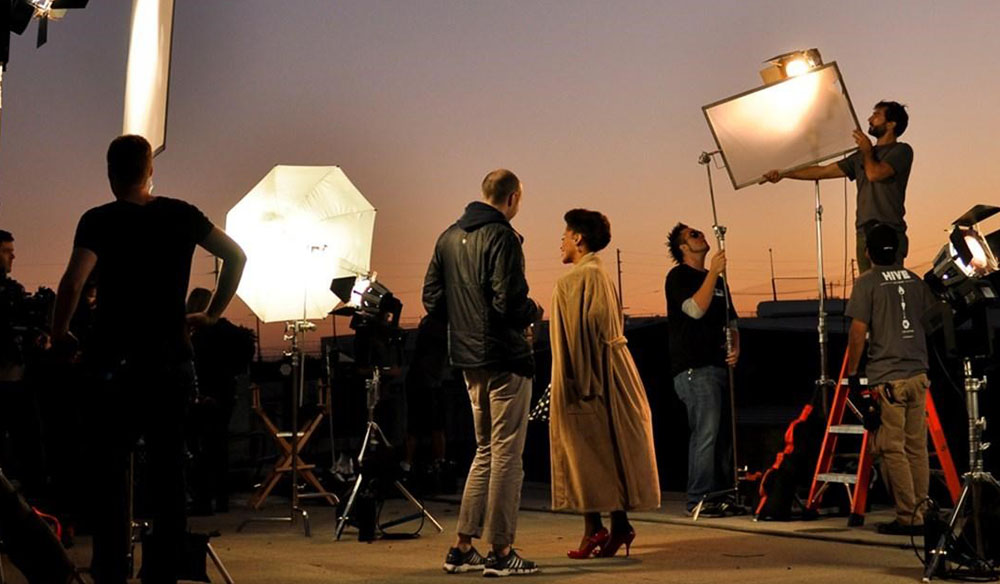
When it comes to ensuring a film production meets its technical objectives on set, the Digital Imaging Technician (DIT) is the go-to expert. But what exactly does that entail? Well, DITs are a unique blend of technician, creative consultant, and computer whiz. They play a vital role in interacting with, assisting, and advising the key players on set.
As PremiumBeat Contributor Jonny Elwyn aptly put it in his comprehensive 21-part series on the DIT’s role, “[The DIT] is an emerging and challenging role which requires a huge breadth of understanding of digital imaging and the gymnastics an image goes through to make it to screen.”
Clearly, this isn’t a job for just anyone.
The DIT’s Job
The responsibilities of a DIT on set can be categorized into three main areas: data wrangling and protection, dailies, and assisting the DP and camera department.
Data Wrangling and Protection

Image via Fedorovekb.
Contrary to popular belief, the role of a DIT goes beyond simply transferring footage from camera cards. This is just the initial step in a well-trained DIT’s process. As camera cards fill up, the DIT must ensure the proper transfer of footage to redundant archival drives, guaranteeing that a drive failure won’t result in any lost footage.
During the transfer process, it’s crucial that both drives receive footage copied directly from the source media. In other words, two separate transfers: one for each drive. Transferring the footage from drive A to drive B defeats the purpose of having redundant archival drives. Without footage transferred from the source media on both drives, there are no redundant copies.
Fortunately, there are various custom-built tools designed specifically for media transfer, such as Shotput, Adobe Prelude, Parashoot, and Resolve’s Clone Tool. The Clone Tool, in particular, allows for simultaneous copying of footage to multiple archival drives and provides bit-for-bit comparisons to ensure the integrity of the transferred footage.
After duplicating the source media and verifying the successful transfer across all archival drives, the DIT should visually confirm each clip by scrubbing through them to check for any issues.
At the end of the day, it’s absolutely crucial that different individuals take the archive drives from set. This way, if anything happens to one of the drives or the person responsible for it, the crew can focus on the affected member rather than worrying about the equipment.
These first two aspects are fundamental. Proper duplication and strict adherence to safeguarding the footage against all possible threats lie at the core of all of the DIT’s data responsibilities.
Dailies
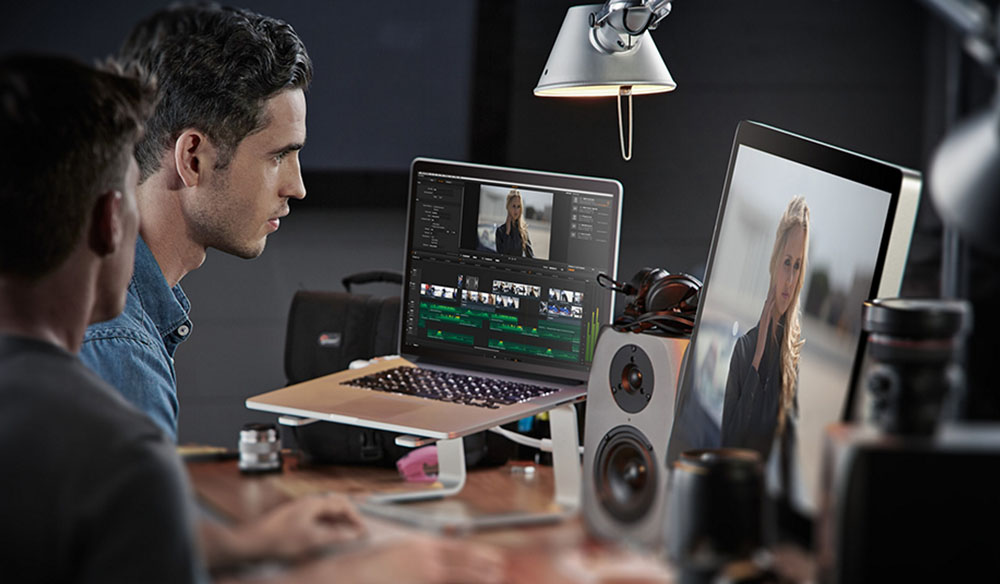
Dailies refer to the “prints” or “selects” from a day’s shooting, synced with sound and with basic color correction, which department heads review to plan any necessary re-shoots.
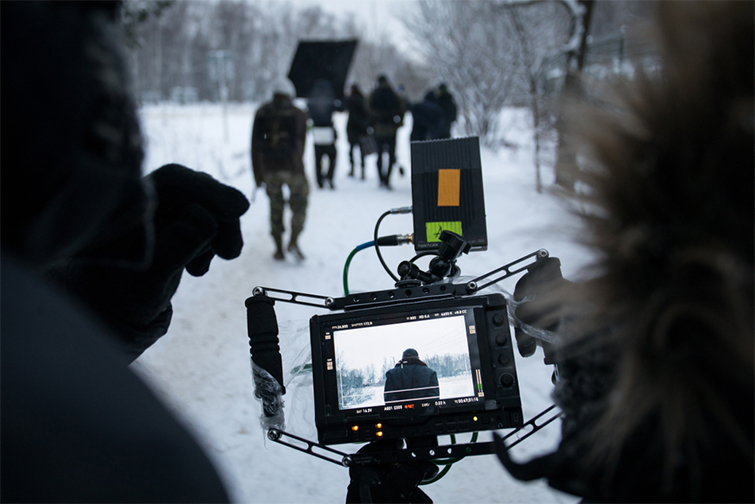
Image via Shishkin Dmitry.
The DIT assembles dailies as media, camera/sound notes come in. It’s crucial for a DIT to have the necessary tools and programs to quickly sync sound and apply basic color correction.
Dailies, like data wrangling, only make up a small portion of the DIT’s responsibilities. However, they need to be completed promptly so that the DIT can focus on the final part of their on-set duties.
Chief Assistant to the Camera Department

Image via Evgeniy Kurt.
From day one on set, it’s the DIT’s responsibility to have a comprehensive plan to assist the camera department. They must have discussions with the relevant individuals in the post-production pipeline regarding resolution, aspect ratio, codecs, frame rates, LUTs, and more. The DIT’s job is to communicate and assist in implementing these specifications with the camera department, particularly the assistant camera. They must have a thorough understanding of these parameters to advise the DP or assistant camera on any shot.
The DIT should be readily available to build looks for each scene in the camera, ensuring color consistency between shots, advising on exposure, and providing any other imaging assistance requested by the DP.
The DIT should be the DP’s trusted ally on set. A good DP knows the value of a skilled DIT, and in return, the DIT must be comfortable approaching the camera department at the first sign of any potential issues with the footage. They should be prepared and proactive, not only with cards but also with solutions for any problems that may arise for the camera department.
A DIT who has mastered these core disciplines is one of the most crucial individuals on any shoot. Their vigilant and active presence brings reassurance to the production’s leadership. Producers, directors, financiers, and others involved in the project can rest easy knowing that a keen and watchful eye is reviewing and protecting their work.
Looking for more production tips and tricks? Check out these articles.
- What are Contrast Ratios, and How Do You Use Them?
- The Evolving Role of a Digital Imaging Technician
- Interview: The Editor of “This is America” on Building the Iconic Video
- Here’s What Your Camera Assistant Wants You To Know
- 7 Things Producers Look for When Using “Staff Me Up”
rnrn

Other Articles