Looking to cut footage on set? You’ll need some specific gear and video accessories. But don’t worry, we’ve got you covered with our top recommendations. And we’re not the only ones talking about editing on location. The response to Baby Driver’s editor Paul Machliss, ACE editing on location has sparked conversations in many editing and filmmaking groups.
One of our favorite posts includes a great hashtag and features editors Andrew Gust and Nik Svab on set of Pupstar. Fun fact: The Air Bud franchise has been on-set editing for the last 15 years. Here’s my buddy and I editing in a junkyard with our latest mobile rigs. #CatchUpBabyDriver —Andrew Calvin Gust, Editor
Cutting on location is certainly nothing new, but it rarely goes to the extremes Paul Machliss had to endure for the meticulous timing and cues in Baby Driver. It’s most common on commercial sets, where productions have quick turnarounds and must be absolutely sure that they get the shot. Not only does the shot need to be precise, the product featured in the commercial must also look perfect.
The following on-set editing station suggestions are for a generalist editor or aspiring DIT who may not have a budget big enough to own or rent all of the gear of their dreams.
First things first, you need an actual workspace. Consider investing in something like a camera or DIT cart. If your budget won’t allow it, however, there are a variety of options. You can spend anywhere from $150 to $2,000 on a cart. For a low-budget solution, consider something like a folding card table. Just make sure it’s sturdy enough to hold the gear you put on top of the table, and make sure it’s secured so it doesn’t blow away in a strong wind.
Laptops are great for portability, and they can easily handle proxy workflows. A desktop may be necessary, however, depending on the type of footage you are working with, as some formats are more labor intensive for your machine.
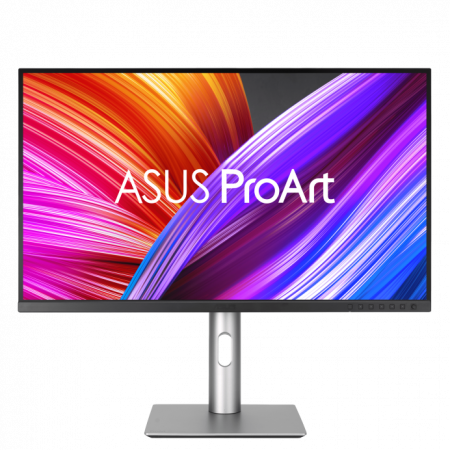
Invest in a professional monitor. You will want a display that can be properly calibrated to review footage. A proper monitor will give you the most accurate look.
If you don’t have a DIT or person on set ingesting footage, you’ll want to invest in a solid card reader or HUB. Consider a high-speed media reader than can take multiple types of cards. As always, consider proper ingesting techniques — don’t just drag and drop footage.
As with any project you edit in an editing bay, be prepared to store as much footage as possible. Bring an array of external hard drives for remote locations, but if you have power to your cart, you may want to set up a RAID tower.
With all this gear, you will also need to power each device. Consider a power supply with backup battery — or at least a surge protector. Also be sure to bring extension cords — that way you bring the nearest power source to your cart.
And don’t forget about personal items. Bring your favorite devices like keyboard, mouse, Wacom tablet, color grading surface, Palette Gear, etc. Be sure to also bring something to sit on, whether it’s a folding chair or an apple box. If you are working outdoors, consider investing in a small tent or a large umbrella to protect you and your gear from the sun. For the heat, you may even want to bring a small fan. Another great thing to always have with you is a small desk light or flashlight.