Don’t let your film’s message and plot get lost in translation. Craft a killer logline that will captivate your audience from the get-go!
Cover image via Shutterstock.
Brevity is key
We’ve all been there – trying to explain the plot of our latest film or video in a long-winded, three-minute spiel. And even then, we still feel like we’ve left out important details. That’s where a logline comes in.
A logline is a one-to-two sentence summary of your film’s plot. It should identify your main character, their motive, and the conflict they face – all in a concise and information-packed way. Think of it as your elevator pitch – you’ll be reciting it time and time again, so make it count.
Identify your characters and their goals
Let’s take a look at some loglines from popular shows and movies.
Nine noble families fight for control over the mythical lands of Westeros, while a forgotten race returns after being dormant for thousands of years.
Marty McFly, a 17-year-old high school student, is accidentally sent 30 years into the past in a time-traveling DeLorean invented by his close friend, the maverick scientist Doc Brown.
After being coerced into working for a crime boss, a young getaway driver finds himself taking part in a heist doomed to fail.
To craft your logline, start by identifying your main character. Take the Netflix show Ozark, for example.
A Chicago-based financial advisor secretly relocates his family to the Missouri Ozarks when his dealings with a drug cartel go awry.
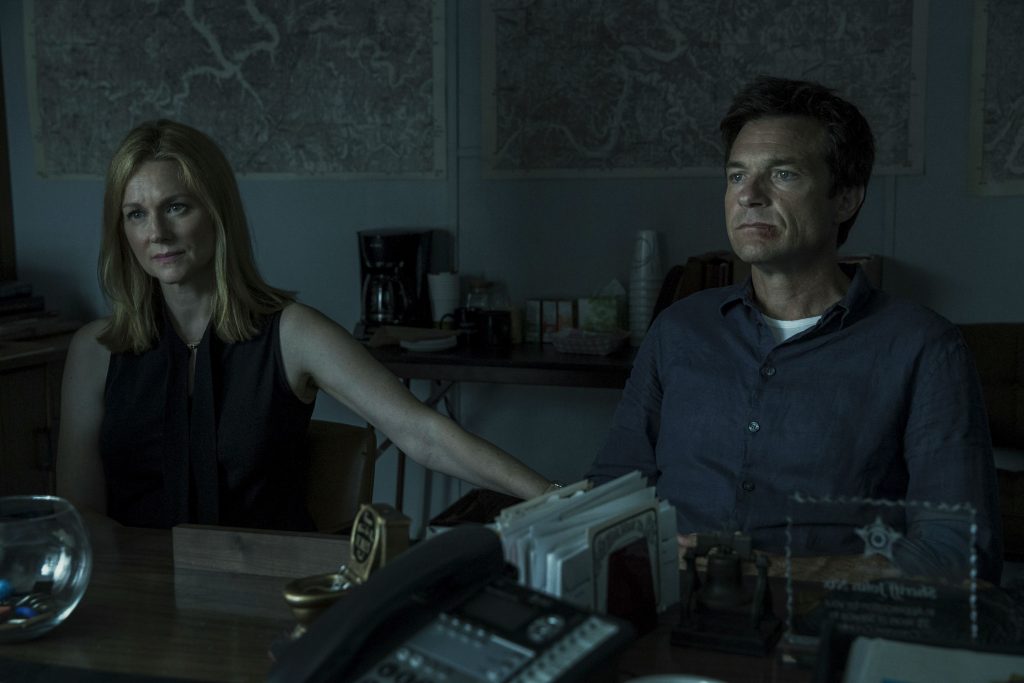
Notice how the logline starts with a description of the main character. It then identifies Marty’s main objective – to relocate his family – and introduces the main conflict of the story – the drug cartels. By doing this, the logline tells the audience what stands in the protagonist’s way and sets the stage for an intriguing story.
Leave them wanting more
Remember, your logline isn’t meant to answer all of the audience’s questions. Instead, it should spark intrigue and leave them wanting more. It should open up a line of dialogue that inspires questions and conversation about the plot of your story. If your logline piques the interest of your audience, you know you’ve done your job.

Other Articles

Elevate Your Next Production with Foreground Elements
Enhance Your Production’s Atmosphere with Haze or Fog