Discover the Secrets of Memorable Character Introductions in Film
When it comes to movies, first impressions are everything. Filmmakers know that the way they introduce their characters can shape the audience’s subconscious judgment. If done correctly, it can make a lasting impact. But how do they do it?
Let’s take a look at some of the techniques filmmakers use to introduce their heroes and villains.
Screen Direction
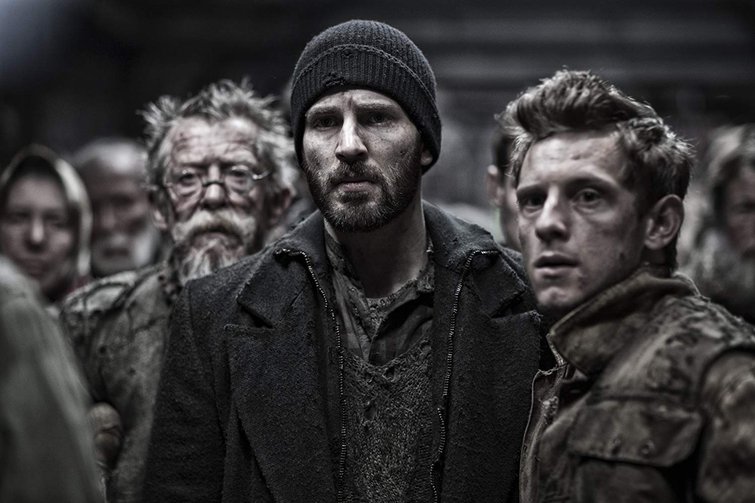
Snowpiercer (The Weinstein Company).
Did you know that heroes often walk on screen from left to right, while villains walk from right to left? This is because, in the west, we read from left to right, making it a more natural and easy direction for the audience to follow. It also tells us that the hero is moving things toward a natural order, while the villain is working against it.
Many filmmakers use screen direction to keep the audience oriented in the story. In Snowpiercer, directed by Joon-ho Bong, Chris Evans’s hero moves left to right when he’s working toward his goal, but right to left when he’s struggling with temptation or victimhood. It’s something we feel more than see, but it still has an effect on how we observe the character and their motivations.
Slow Motion
Slow motion is a powerful tool that draws attention to a character and their movements. It stretches out time, making it seem more magical and memorable. This technique is often used for love interests and romantic characters. We see them walk in slow motion, and we’re smitten right along with the lead character. This usually goes hand-in-hand with generous backlighting for a warm glow.
Big Entrances

Tina Fey and Alec Baldwin in 30 Rock (NBCUniversal Television Distribution).
In old westerns, double doors opening — or being kicked open — was a classic way to give a character a powerful entrance. It was a way to show the oversized influence and dynamic effects the character has on their environment. This is wonderfully satirized in the pilot episode of 30 Rock, when a door gets kicked down to reveal Jack Donaghy, one of the most lovably bombastic TV characters in recent memory.
The Slow Tilt Up
Panning up the body of a character is a classic, time-honored way of slowly divulging information about them. We take in the ground they walk on, their choice in footwear, their outfit, and finally their face and expression. Revealing a character in this way unveils to the audience the world they come from and how important they’ll be to the story.
Get a Light
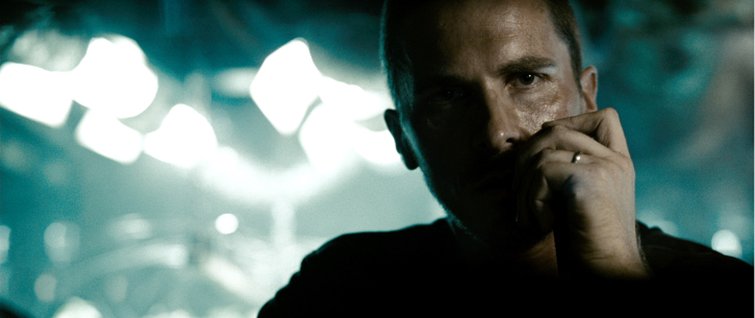
Christian Bale in Terminator Salvation (Warner Bros. Pictures).
Another common trope that nonetheless shows up consistently is introducing the character in shadow, only for them to strike a match or light a cigarette. Since smoking is now more associated with cancer than manliness, filmmakers are finding new ways to achieve this on screen. In Terminator Salvation, Christian Bale is cloaked in shadow until he ignites a flare, revealing himself to the audience.
By using these, and other subtle techniques, you can use the camera to establish your characters before your actors utter even a single line.
Cover image via The Lord of the Rings: The Fellowship of the Ring (New Line Cinema).
Looking for more cinematography tips and tricks? Check these out.
- Top Equipment Investments for Working Filmmakers
- Learn Francis Ford Coppola’s Signature Dolly Move
- Is Autofocus Finally Ready to Take The Filmmaking Field?
- FIZ Systems (Focus, Iris, Zoom) and How to Use Them
- Making Cinema Lights and Practicals Work Together

Other Articles
“Producers Seek These 7 Qualities on ‘Staff Me Up’ Platform”
On Location with Robert Foulkes: Setting Your Film Right