Are you ready to take your filmmaking to the next level? In this tutorial, we’ll dive into the often-misunderstood world of shutter speed. Don’t let its complexity scare you off – mastering this setting can have a powerful impact on your footage, making it look more cinematic and engaging.
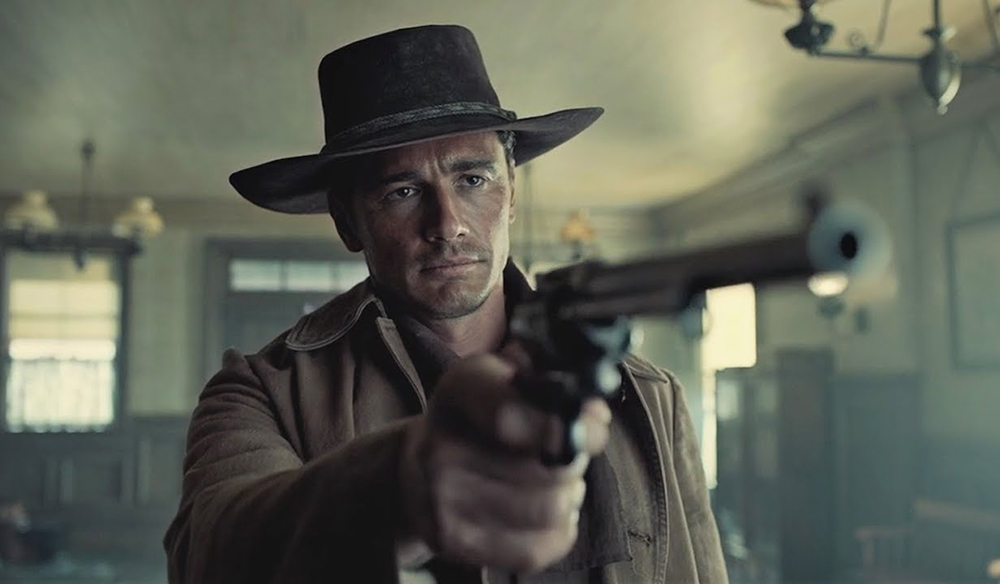
From the sharp, staccato motion of Steven Spielberg’s Saving Private Ryan to the dreamy, painterly blur of Wong Kar-Wai’s Hong Kong trilogy, shutter speed can be a valuable storytelling tool.
But what exactly is shutter speed? In film cameras, a rotating shutter controls how long a piece of film is exposed to light before the camera moves to the next frame. The angle of the opening that lets light in can be as small as ten degrees or as wide as 360 degrees, affecting the amount of light and motion blur in the resulting footage.
DSLR stills cameras, on the other hand, have a vertical shutter and measure shutter speed in time rather than angle. This can be confusing, but with a little practice, you can master it.
So why does shutter speed matter? By adjusting this setting, you can create different effects in your footage, from freeze-frame-like action to watercolor-like motion blur. By understanding the results you’ll get based on the settings you choose, you can take advantage of the different ways this will affect the narrative of your story.
Don’t let shutter speed intimidate you – with a little practice, you’ll be able to use it to take your filmmaking to the next level. And if you’re looking for more tips and tricks, be sure to check out our other articles on filmmaking.

Other Articles