Are you overlooking the creative potential of your establishing shots? Don’t miss out on the opportunity to lure your audience into the mix with a few principles of still photography. In our recent article, The Filmmaker’s Guide to the Establishing Shot, we deconstructed one of the core shots in cinematography. But let’s take it a step further and explore some principles of photography to create better shots.
Lead-in lines are a powerful tool to direct the audience’s attention throughout the entire image. In filmmaking, we can use a line to add story elements, visual cues, and give the audience extra information about the story or plot—all within the establishing shot. Check out the clever use of a lead-in line in The Assassination of Jesse James by the Coward Robert Crawford.
Foreground interest helps create layers of depth in your image. Don’t be afraid to feature something in the foreground that will ultimately be the center of focus. In fact, foreground interest can be the ground itself, tall grass, rocks, water, etc. Take a look at the establishing shot of Bear Island from Game of Thrones to see how foreground interest can add emotion and depth to your composition.
Natural frames are another popular photography technique that can add a sense of majestic beauty to an otherwise standard landscape. You can use foliage, bridges, gates, fences, or even clouds to frame your shot. And don’t forget about the power of a natural vignette to lock your focus on the center of the composition.
Establishing shots are usually a low priority on set, but they can set the tone for a scene. Using the tips and techniques discussed in this article, you can now improve any project with more dynamic establishing shots. For more composition tips, check out the video by Steve McCurry. And if you need more cinematography tips, we’ve got you covered with our favorite shots from Bradford Young and Reed Morano, as well as exploring the history and revival of the 4:3 ratio.

Other Articles
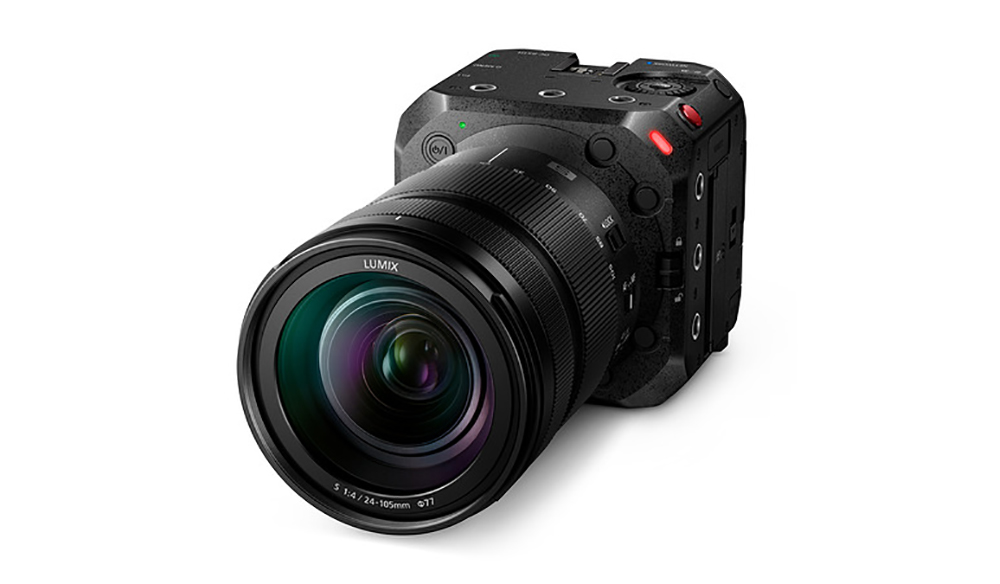
Panasonic Unveils LUMIX BS1H: A Revolutionary 6K Live/Cinema Camera
AI Technology at NAB Show 2023