Have you heard about the latest trend in video editing? Text-based editing is taking the industry by storm, and it’s not hard to see why. At NAB 2023, two of the biggest nonlinear editing applications added text-based editing to their toolset, while the plethora of online, cloud-based, and AI-assisted transcription tools continued to increase. But here’s the surprising part: many producers and editors have not used cloud-generated transcripts of any kind, even though we’ve had very affordable cloud-based Transcription Tools for years.
To get to the bottom of this, I created a poll on Twitter. The results were fascinating, and I’ll be sharing them with you shortly. But first, let’s talk about what text-based editing actually is.
Text-based editing takes transcriptions and arranges the bits and pieces of the interviews and dialogue into a coherent story. This could be by copying and pasting or highlighting, tagging and dragging sections of text or cutting in a more traditional three-point Editing style. Instead of marking IN and OUT points on a video piece, you mark your IN and OUT points on a text transcript.
Before we dive deeper, let’s examine the difference between “text-based editing” and transcriptions. Transcribing an interview or dialogue is having a cloud-based system automatically generate a written transcript from audio or video uploaded to an online service. You can usually interact with a Transcription via a web browser where you can watch, listen, read the text, and correct any potential wrong transcriptions. Often these services will interact with your NLE via a workflow extension or panel.
Now, let’s talk about the tools available for text-based editing. One of the pioneers in this field is Lumberjack Builder NLE, which was designed by Intelligent Assistance for Final Cut Pro Classic back in 2010. Builder NLE is a standalone Mac application (and part of a whole suite of logging tools) that transcribes and allows for text-based editing right on the desktop. The bullet point list for Lumberjack Builder NLE includes transcripts in minutes in 16 supported languages for free, keyword paragraphs and identify people, powerful (and unique) keyword manager, comprehensive search tools to find exactly the quote you need for this story beat, drag and drop paragraphs to make a story, and send to Premiere Pro CC, Resolve or Final Cut Pro X for finishing.
But the real game-changer is text-based editing natively built-in within the NLE. It might be hyperbole to say that text-based editing within the NLE is one of the most significant advancements in digital editing, but as a creative/craft/offline editor, I believe that to be the case. Localized transcription into your editing application has been a great productivity tool. However, taking transcriptions one step further by letting the editor create an edit from the text is a revelation.
There are enough text-based video editing options these days that picking the right one for a specific workflow can take a little work. Different options might be worth considering depending on your need, the stakeholders involved, or your final delivery. But one thing is for sure: living in an affordable transcription and text-based editing world is way better than before this was an option. As we go through this, I will link back to several reviews I’ve done over the last few years, as I’ve been on a quest for the best text-based editing for a long time.Are you tired of spending hours sifting through footage to find the perfect clip? Well, text-based editing might just be the solution you’ve been looking for! And the best part? It’s easier than you think. With Adobe Premiere Pro’s built-in transcription feature, you can transcribe your source clip and edit right from the Text Transcript panel. And if you’re a fan of custom keyboard shortcuts, you’ll love that the edit commands in the Transcript panel support them. But Adobe isn’t the only NLE with text-based editing capabilities. DaVinci Resolve’s latest beta also includes a Transcribe Audio option, and even allows you to highlight text and apply colored markers. While Avid Media Composer’s ScriptSync isn’t exactly text-based editing, it does offer a way to automatically line imported scripts with clips. And let’s not forget about Final Cut Pro, which has several options for working with transcripts directly. So why waste time manually searching for clips when you can edit with text? Give text-based editing a try and see how it can revolutionize your workflow.Get ready for some exciting new features coming to Final Cut Pro, including text-based editing options. But if you’re looking for even more options, consider using cloud-based transcription services that offer text-based editing capabilities. These services allow for collaboration with other stakeholders in the project, such as directors, producers, and writers, to tag and categorize footage, section off soundbites, and assemble bites from across the entire shoot into a working script/edit. And the best part? By doing this work in the cloud, the editor can be working on other things in the program.
One such service is Reduct.video, which offers a comprehensive set of tools for producers, writers, directors, and editors to work in the cloud. Reduct even found a way to support multi-cam clips in Adobe Premiere Pro, making it the only text-based editing option in the cloud to support multi-cam. Other options include Transcriptive.com, Descript, Simon Says, and Sonix. So why limit yourself to in-NLE text-based editing when you can take advantage of these powerful cloud-based tools?Are you tired of spending hours logging interviews? Well, the good news is that text-based editing is here to save the day! Sonix offers integrations with NLEs, and their demo shows how you can strike out transcription text that isn’t needed via a web browser interface and then conform that transcription back to an NLE with those strike-out sections missing, leaving a gap in the timeline. Other transcription tools like Happy Scribe mention NLE and post-production integration on their website, but most of them only support subtitles and captioning. If you know of any services that offer text-based editing, please let us know in the comments below.
The current state of text-based editing is strong, and it’s a relatively new concept to many editors and producers. With so many options to achieve an edit of video by “editing” text from transcripts, editors everywhere can rejoice at the prospect of not having to log hours upon hours of interviews themselves. Next, we have to convince directors, producers, and other stakeholders to jump in where they can and use some of this new technology to produce better stories more efficiently. Finally, we just have to make sure AI doesn’t do all the editing for us.
As for where our video editing applications go, what Adobe and Blackmagic have done in their betas is a great start. The text-based editing implementations are simple to use and make perfect sense as a first generation of the workflow. Both Adobe and Blackmagic have cloud services, so it would be great to see some way for other stakeholders to be involved in the text-based editing workflow outside of the NLE. To have that option built into the tools should be a much smoother workflow than relying on a third-party panel or XML interchanges.
So, what does the world of AI hold for text-based editing? Will AI be able to listen to an interview, absorb some kind of intent for the story, and cough up a rough edit? I would not be shocked…what do you think?
In conclusion, text-based editing is a game-changer for the industry, and we can only hope that online services will continue to refine their transcription > text-based editing > back to the NLE workflow. Let’s keep pushing the boundaries of what’s possible and see where this technology takes us!”> Are you ready to experience the power of AI? Look no further than Adobe Sensei! For more than a decade, Adobe has been at the forefront of AI-driven technology, thanks to our innovative Adobe Sensei framework. With features like image recognition, natural language processing, and predictive analytics, Adobe Sensei is the ultimate tool for unlocking your creativity and streamlining your workflow. Don’t miss out on the future of design – try Adobe Sensei today!

Other Articles
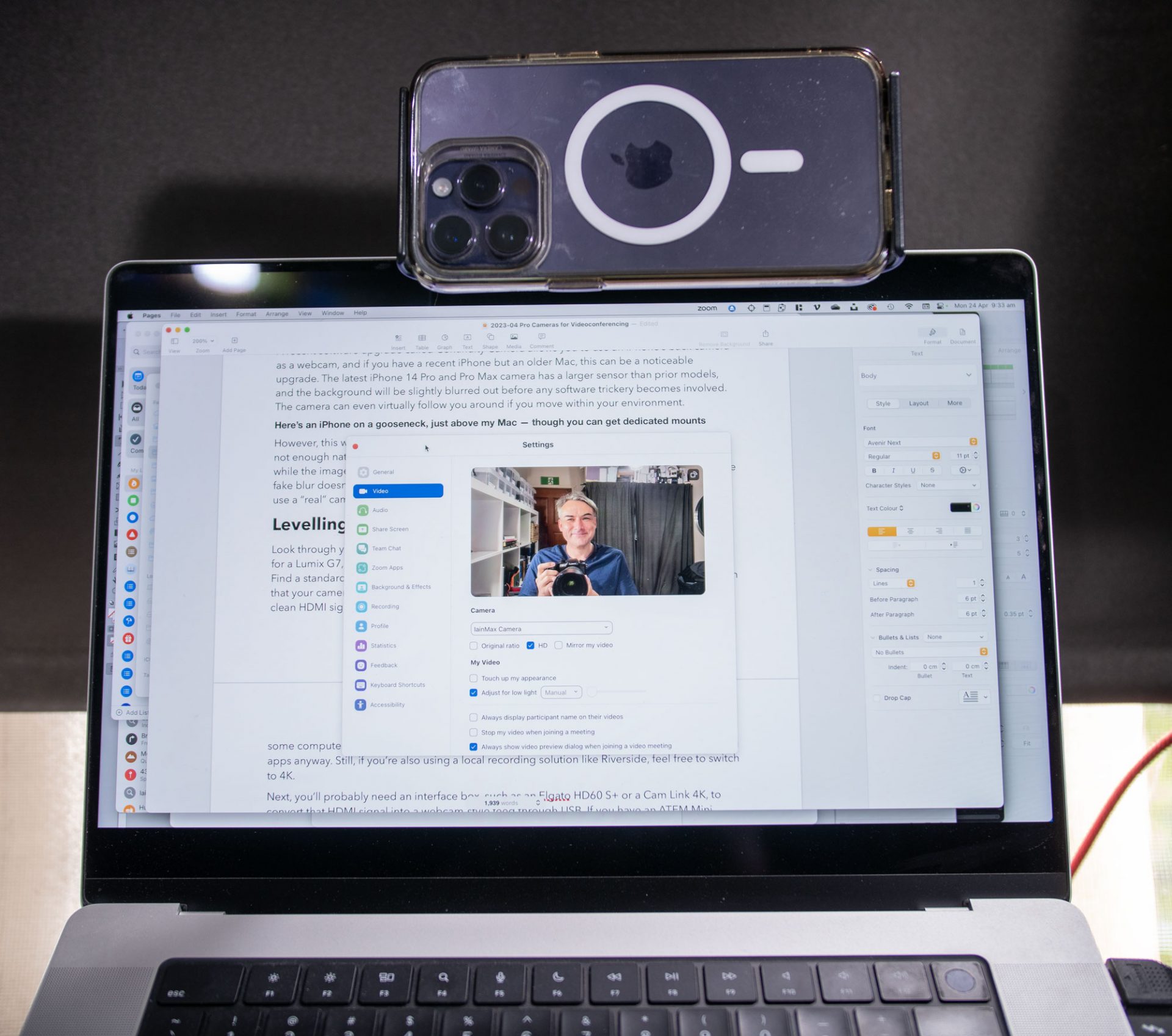
Exploring the Use of Pro Cameras for Videoconferencing
Virtual Production Falls Short of Real Experience, Experts Say