Lights, camera, action! A well-written logline can make or break your film project. Don’t let a bad one stop you in your tracks. Here’s everything you need to know.
Creating a film project is no easy feat, but selling it can be even harder. That’s where a logline comes in. It’s the elevator pitch that condenses your project into a simple, memorable description. Agents and producers use loglines to convince buyers to invest in their projects.
If you want to catch a producer’s attention, you need to write a killer logline. But what exactly is it, and how do you write one?

What Is a Logline?
A logline is a simple, yet powerful sentence that identifies the inciting incident, protagonist, primary action, and antagonist. It condenses the complexity and nuance of your script into a digestible takeaway that makes it easier for producers to sell your project.
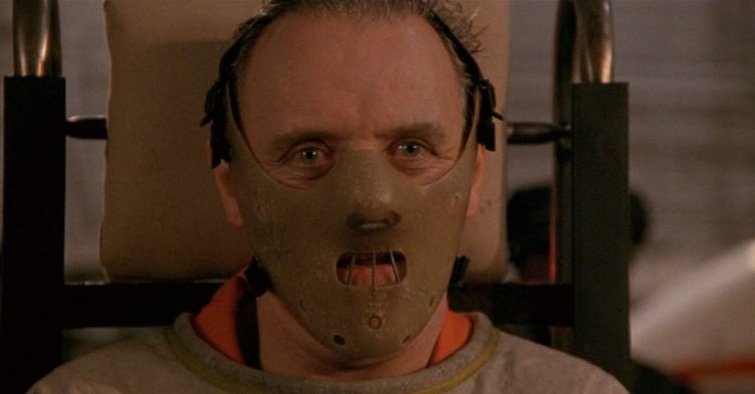
Most box office successes use tried-and-true logline formulas. Take The Silence of the Lambs, for example:
A young F.B.I. cadet must receive the help of an incarcerated and manipulative cannibal killer to help catch another serial killer, a madman who skins his victims.
Let’s break it down:
- Protagonist: “young F.B.I. cadet”
- Action: “must receive the help of an incarcerated and manipulative cannibal killer to help catch another serial killer”
- Antagonist: “another serial killer”
- Inciting incident: “serial killer who skins his victims.”
See how it works? The logline is full of direct, descriptive words that anyone can grasp and quickly assemble into a horrifying concept. Your logline will be the phrase you toss around in every conversation, so it needs to capture everything your project will be.
Note that loglines are not the same as taglines, which sell movies to audiences. A tagline is a joke, quip, quote, or warning you see on movie posters and advertisements. Writing a good tagline is a process all on its own.
Breaking the Rules of Writing Loglines
Now that we’ve established the logline formula, let’s talk about breaking the rules. While it’s possible to break the rules successfully, you need to understand them first. Here’s how to approach creating your logline:
1. Create Strong Protagonists
Don’t settle for a boring protagonist. Even the most straightforward jobs can have dynamic edges. Use contrasts to give your protagonist depth in just a word or two.
For the most part, avoid using proper names for your protagonists. If the name has historical significance, it can work to your favor, but typically, names are liabilities, not assets.
2. Make Your Characters’ Actions Specific
Don’t just say your character is doing something, make it urgent and specific. For example, if your knife-juggling waiter needs to help his counselor addicted to gambling before the deadline runs out on her debt, now we have a real goal and consequences. Always include consequences, if you can, so we know exactly what’s at stake if the protagonists fail.
3. Embrace the Unexpected
Oddities and unexpected pairings work well as hooks. A strong hook can go a long way toward converting a competent logline into an interesting one. Knock your reader off balance by setting up the seeming normality of your characters and inciting incidents before you yank the rug out from under them.
For example, Harry and Sally are just two boring names in a logline until suddenly, we’re talking about sex. Marty McFly is an unnecessarily named teenager until we read that he’s using a “time-traveling DeLorean.” Strange pairings have the same effect, like a quiet landlord who is a karate master or a farm boy on a desert planet who is our best hope of saving the galaxy.
If you want to write a successful logline, always try to say more with less. Let’s examine some loglines from memorable films with our formula and rules in mind, to see why these examples do (or don’t) work.
The Godfather

The aging patriarch of an organized crime dynasty transfers control of his clandestine empire to his reluctant son.
Despite breaking the rules, the logline for The Godfather is elegant and practical. There’s no inciting incident or clear antagonist, but the economy of words here does the trick. Always try to say more with less.
Battlefield Earth

It’s the year 3000 A.D., and the Earth is lost to the alien race of Psychlos. Humanity is enslaved by these gold-thirsty tyrants, who are unaware that their “man-animals” are about to ignite the rebellion of a lifetime.
As an example of what not to do, the logline for Battlefield Earth is vague and over-written. If you’re going to do away with critical elements of the logline formula, don’t try to make up for them with inflated writing.
Pulp Fiction
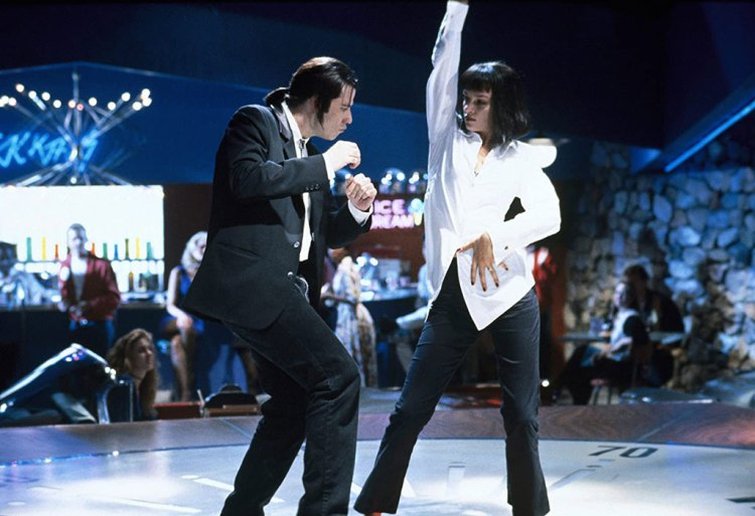
The lives of two mob hitmen, a boxer, a gangster and his wife, and a pair of diner bandits intertwine in four tales of violence and redemption.
Continuing the trend of successful loglines that leave elements out of the formula, the logline for Pulp Fiction embraces the unexpected. The characters and their actions are specific, but the unexpected pairings and inciting incidents make it interesting.
Get ready for a wild ride with these loglines! First up, we have Pulp Fiction, a film with a lineup of characters that almost sounds like the start of a joke. But don’t be fooled, this film takes itself seriously and so should you. There’s no overt inciting incident, but the interesting lives of the characters intertwine to create a story of violence and redemption. It’s direct and vaguely ominous, leaving you on the edge of your seat. Next, we have Star Wars: Episode 4 — A New Hope, a film that launched a multi-billion-dollar franchise. While the logline may break some rules by naming strange terms like “Wookiee” and “Darth Vader,” it cleverly turns them into advantages with strong descriptors and concrete story elements. Finally, we have The Hottie & the Nottie, a film about a woman who agrees to go on a date with a man only if he finds a suitor for her unattractive best friend. It may have been a mega-flop, but the logline is straightforward and to the point. So, whether you’re saving the galaxy or trying to find a date for your friend, these loglines show that getting weird can work as long as you prop it up with strong elements.The logline for The Hottie & The Nottie is a perfect example of what not to do. It’s a mishmash of weak, unoriginal elements that compound to create a lackluster and uninteresting logline. The lesson here is that you can’t rely on established tropes and cliches to carry your logline. Instead, you need to find ways to make your logline stand out and showcase how you’re using those tropes in a new and exciting way.
On the other hand, When Harry Met Sally… breaks the formula and piques your interest with a simple question: should two friends have sex? This logline quickly pivots from uninteresting to attention-grabbing, making it stand out in an established genre. It’s a great example of how to experiment with the logline formula to communicate nuance and intrigue.
The Exorcist sticks to the formula but pulls off a subtle stacking of characters that rolls the elements into each other, creating a layered and straightforward horror pitch. Each element serves as another element in the service of the logline, allowing for a creative use of the formula.
Finally, Blade Runner 2049 is an excellent example of when the no-proper-names rule can get in the way of your logline. While proper names of unknown characters are usually a waste of time, in this case, the audience knows who you’re talking about, making the use of proper names effective in conveying the plot.Are you struggling to write a logline that captures the essence of your film? Look no further than these examples for inspiration. Take Blade Runner 2049, for instance. By using the recognizable names of Rick Deckard and the original Blade Runner, the logline manages to convey everything we need to know about the characters and the world they inhabit. And in Back to the Future, the title itself becomes a clever antagonist, branding the past as the enemy without wasting any words. But sometimes, less is more. The logline for The Lighthouse omits an antagonist altogether, allowing the reader to do the work themselves and anticipate the film’s creative twists. And finally, Monster takes a sensational approach, pairing unlikely attributes with a true story to create a powerful hook. So whether you’re dealing with copyright-protected characters or a biopic subject, these loglines prove that a little creativity can go a long way.Get ready to dive into the world of loglines! First up, we have the classic film Edward Scissorhands. The logline for this movie is a masterclass in how to create hooks. We start with the intriguing description of an “artificial man” with scissors for hands, and then we get hit with the pathos of him being “incompletely constructed.” But wait, there’s more! A suburban lady enters the picture and introduces him to her world, which turns out to be the entire world, as the logline cleverly omits an explicit antagonist and casts the conflict outward to include everyone. It’s a brilliant inversion trick that leaves us with the conclusion that the world isn’t going to receive him well.
Next up, we have the documentary American Factory. When it comes to loglines for documentaries, you have a few options. You can take a straightforward approach and simply detail what you’re covering, but that may not be enough to attract attention if your subject matter is more obscure. That’s where the narrative approach comes in, as we see with the logline for American Factory. We get a nicely detailed setting, an inciting incident, an action, and even an antagonist. The inclusion of the line “hiring two thousand Americans” gives us the stakes and makes us care about these people’s livelihoods. It’s a great example of how a narrative approach can make a documentary logline more compelling.
In conclusion, the formula and rules for loglines are important, but so is knowing when to break the mold. Take a look at loglines from some of your favorite films and see if you can apply what we’ve learned here to your own analysis of function and form. And for more on story and screenwriting, be sure to check out our other articles on building starships, sound effects, production problem-solving, and time travel in film.

Other Articles
Analyzing and Crafting Horror with Barbarian Editor Joe Murphy