Calling all filmmakers! Get ready to broaden your horizons with these inspiration sources.
Stephen King once said, “If you want to be a writer, you must do two things above all others: read a lot and write a lot. There’s no way around these two things that I’m aware of, no shortcut.” The same goes for filmmaking. Watching a lot of movies and TV shows is the best way to learn. But don’t just stick to the good stuff. Even a film with a 20% rating on Rotten Tomatoes can teach you what not to do.
However, don’t limit yourself to just movies and TV shows. Sometimes, you may need to look elsewhere for inspiration. When you’re struggling to come up with a concept for your short film or an advert for a client, it’s time to get creative.
Let’s explore three different forms of storytelling that can inspire you.

Theater: A Hidden Gem for Sound Design Inspiration
The theater is a fantastic resource for sound design ideas. Take The Woman in Black, for example. The play takes place inside an empty theater, where an older Arthur Kipps wants to tell his story through the power of stage. With just two actors and a few props, the play captivates its audience with its sound design.
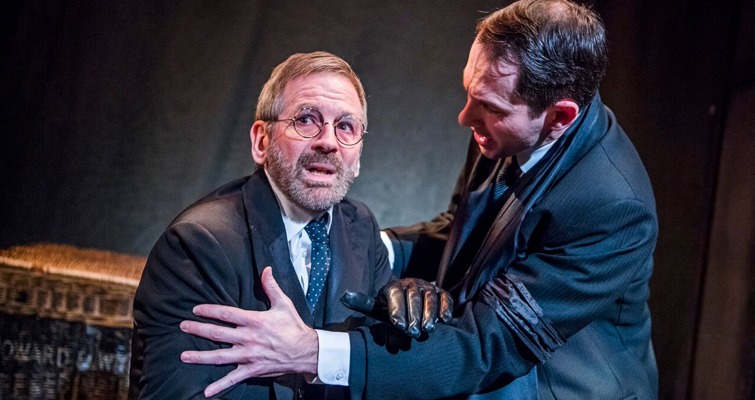
Sound is often overlooked in filmmaking, but it’s just as important as clear imagery. Going to the theater to hear the sounds of locations, props, and off-screen actions can help you recognize the power of sound design. In theater, sounds can compensate for missing visual elements.
Video Games: A Treasure Trove of Storytelling and Atmosphere
Video games are often debated as to whether they can be considered art. But if you’ve played games in the last decade, you know they’re highly-crafted stories with multiple interconnecting plots, varied characters, and worlds full of history and lore.
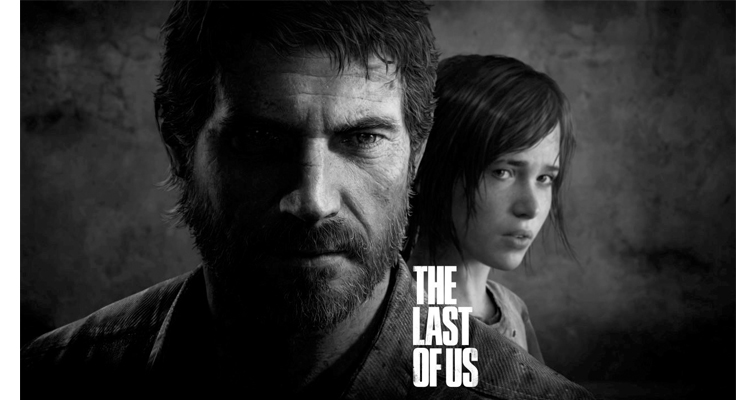
Many video games now prioritize story and characterization over gameplay mechanics. They’re a trove of narrative inspiration. So, next time you’re stuck on a concept, try playing a video game for inspiration.
Get ready to be inspired! These titles showcase the incredible power of video games to move and motivate us. From the heart-wrenching story of The Last of Us to the epic adventure of The Witcher 3: Wild Hunt, these games will leave you breathless. And let’s not forget about BioShock Infinite, Red Dead Redemption II, God of War, Uncharted (1-4), and The Walking Dead Season 1 (Telltale Series). These games are true works of art, with the power to transport us to new worlds and inspire us to be our best selves.
But it’s not just video games that can create a powerful atmosphere. Films like The Witch: A New-England Folktale, The Revenant, and Drive are known for their unique and unforgettable style. And there are video games that do the same, like Alan Wake, Limbo, Journey, and Inside. These games are more than just entertainment – they’re immersive experiences that will stay with you long after you’ve finished playing.
And let’s not forget about the power of comic books. They’re not just for kids anymore – in fact, many superhero books are rated “teen and above” and tackle complex social issues. But what do comic books have to do with filmmaking? Well, they’re actually a great tool for learning about composition and visual effects. Take a look at issues like Daredevil 28 and Hawkeye 11, which use careful composition to tell a story without any text or narration. And with experimental art becoming more mainstream in superhero comics, there’s never been a better time to explore the world of comic books. Check out titles like Watchmen, Omega Men, Tale of Sand, Sandman, Preacher, Criminal, and Fatale for some serious compositional inspiration.The artwork in Batwoman is truly breathtaking, thanks to the creative genius of J.H. Williams III. He uses Batwoman’s cape to break up the page into panels, resulting in a stunning and unique visual experience.
But why limit this technique to comics? Filmmakers could take a cue from Williams and display multiple shots in one scene, using photographs around a room to play out memories like small TV screens. Imagine seeing a character’s emotional responses and memories all in the same composition, without a single cut.
If you’re looking for more creative inspiration, check out these comic artists: JH Williams III, Dave Mckean, Mike Del Mundo, and Marco Rudy. And remember, inspiration can come from anywhere – not just film and TV.
Expand your horizons and explore other forms of entertainment for fresh ideas. And if you’re hungry for more filmmaking inspiration and know-how, check out these resources: On Fading to Black, The Filmmaker’s Guide to the Establishing Shot, Revise, Revise, Revise, 5 YouTubers to Follow for Creative Cinematography, and The Flashback Sequence Effects Tool Kit.

Other Articles
Top Genre Films with Valuable Insights Showcased at Fantastic Fest 2021
IATSE vs. AMPTP: Potential Industry Strike Looms