Get Ready to Scream: Everything You Need to Know About Cutting Horror from the Editor of Barbarian
Move over superheroes and reboots, horror is having a moment. From Jordan Peele’s Nope to new hits like Smile and cult sleepers like The Empty Man, horror is proving to be one of the few genres not afraid to venture out into new stories and territories. One of the most talked-about horror films of the season is Barbarian. Directed by Zach Cregger and starring Georgina Campbell, Bill Skarsgård, and Justin Long, this slow-burn psychological thriller has been one of the best-received new horror films of this genre resurgence.
To understand why these films are doing so well and explore insights into how they are edited, we sat down with Barbarian editor Joe Murphy to learn more about his cutting process and where he draws his specific horror inspirations.
PremiumBeat: First off, what video editing platform did you use, and what was your approach for getting started on this genre-crossing horror/mystery/thriller?

Joe Murphy: We cut on Avid Media Composer. Before starting Barbarian, I watched a bunch of classic horror movies for editing inspiration. When I started on the editor’s cut, I kept an eye out for performance moments that sparked an emotional or visceral response in me. I built the first cut around these moments while also saving anything that stood out and didn’t quite have a home yet on a separate timeline – moments I can show the director later that might be valuable or spark an idea.
Since the editor’s cut is the first draft, I want to ensure I’m showing the director everything they shot and what stood out to me as interesting, honest, and revealing.
The director Zach Cregger did such excellent prep work with his DP, Zach Kuperstein, that the scenes had a clear visual logic when reviewing the footage. This freed me to focus on many nuances and performance beats that can help shape or color a scene.
PremiumBeat: There are lots of abrupt cuts and startling perspective shifts in the film; how did you manage the different emotional attachments with these diverse characters without slowing the film down?
JM: The film’s unique structure was there from the beginning. Zach designed the perspective shifts, which were part of his plan from the script stage. The overall pacing was discovered through experimenting in the edit to see how much we needed to keep the audience invested in each film section. Feedback screenings with fresh viewers were a vital tool to help guide us.
PremiumBeat: Working with VFX is always a challenge for any film editor; how did you approach working with the VFX team?
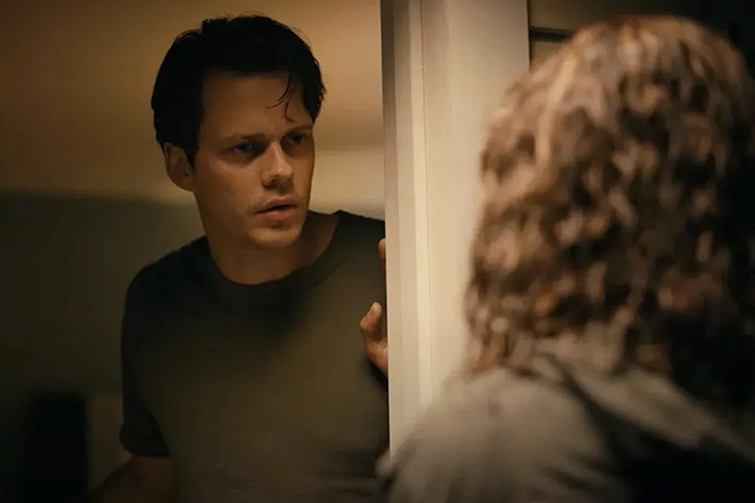
JM: Most of our VFX were straightforward and mainly simple fixes (painting out a boom, adding some green to a lawn, etc.). For shots we needed to create from existing footage, we would do mock-ups in Avid and show them to the VFX houses we were working with as an example of what we were going for

Other Articles
Dos and Don’ts for Crafting a Logline for Your Film or Video Project
Maxon Prioritizes Artists and Panels to Increase Usage at NAB 2023