A few years back I bought a RED — and it very nearly financially crippled me. The following will help serve as a guide for those who are torn on if they need to acquire a cinema camera.
Image above from TVAMediaGroup
In 2010, I left my small coastal town and enrolled in a filmmaking course at the nearest university. While most first-year students were busy partying and making memories, I spent countless nights immersed in the world of cinema cameras. I was captivated by the RED SCARLET, which was set to release the following year. I couldn’t explain why, but I knew I had to have one.
But it wasn’t just any camera I wanted. I needed a professional-grade cinema camera used in feature films and episodic dramas. I wanted my footage to look like Hollywood. The RED ONE, priced at $25,000, seemed like a feasible investment compared to other high-end options. After two years of saving and trading in my camera kit, I finally had enough. It was no longer just a dream, but a possibility.

I’m sure many aspiring filmmakers have shared the same dream of owning a RED or an ARRI. It’s natural to desire something without necessarily needing it. I remember watching a short film called “Blood on My Name” and immediately checking for a behind-the-scenes video. All I could focus on was the ARRI camera used in the production. That’s when I knew I needed a cinema camera.
In 2012, RED discontinued the RED ONE MX and offered refurbished models for just $4,000. It was an incredible deal, and I managed to get one. However, it turned out to be one of the worst financial decisions I ever made.
To prevent others from making the same mistakes, let’s explore three principles to consider when acquiring a cinema camera like this.
1. Investment vs. Return
 One of my shots using the RED ONE MX.
If you’re a professional camera operator, this article may not be relevant to you. However, if you’re a videographer looking to upgrade your equipment or a passionate filmmaker ready to take the next step, keep reading.
First and foremost, this is not a criticism of the RED ONE or RED as a company. I genuinely loved the camera and its capabilities. The R3d codec produced stunning images, and both the hardware and software were top-notch. If I had chosen a different cinema camera at the time, I would likely be sharing a similar story with a different brand.
The most crucial factor to consider is the return on investment (ROI). Although the RED ONE is no longer available, the RED RAVEN has taken its place as the budget-friendly option. For $6,950, you can own a RED RAVEN brain. But will this cinema camera significantly increase your income? Assess your market and determine if clients are willing to pay more for the enhanced quality. Alternatively, investing in additional tools like a drone may be a better choice.
Remember, a cinema camera is a costly tool, and there are additional expenses beyond just the camera itself. Think carefully before making such a significant investment.


Imagine this: you’re a wedding videographer, steadily growing your business and inching closer to that coveted median salary. But then you come across the Red Raven package, a professional cinema camera that costs a whopping $13,000. It’s a hefty price tag, especially considering it’s half of your annual income. Suddenly, you find yourself in a dilemma.
On one hand, you’re obsessed with capturing the best possible image, and owning this camera could potentially take your work to the next level. But on the other hand, you’re faced with the reality of your financial situation. After paying bills and expenses, that $13,000 is nowhere to be found.
It’s a tough decision to make. Do you invest in the camera and risk being in the red for months? Or do you stick with your current setup, even though it may be limiting your potential for growth?
2. The Accessories
Let’s say you decide to take the plunge and buy the camera. But here’s the catch: the camera itself is just the beginning. You’ll need additional accessories like power sources, storage, and mounts, which can quickly add up in cost.
For example, two top mounts for 15mm rods can set you back $240. That’s the same price you paid for a semi-professional photography tripod in the past. And that’s just the tip of the iceberg. The total cost of accessories can easily reach thousands of dollars.
Before you know it, that initial $4,000 camera has turned into an $8,000 investment. And that’s not even including the additional expenses you’ll incur, like hiring an assistant or renting a van for your equipment.
3. The Ability To Shoot
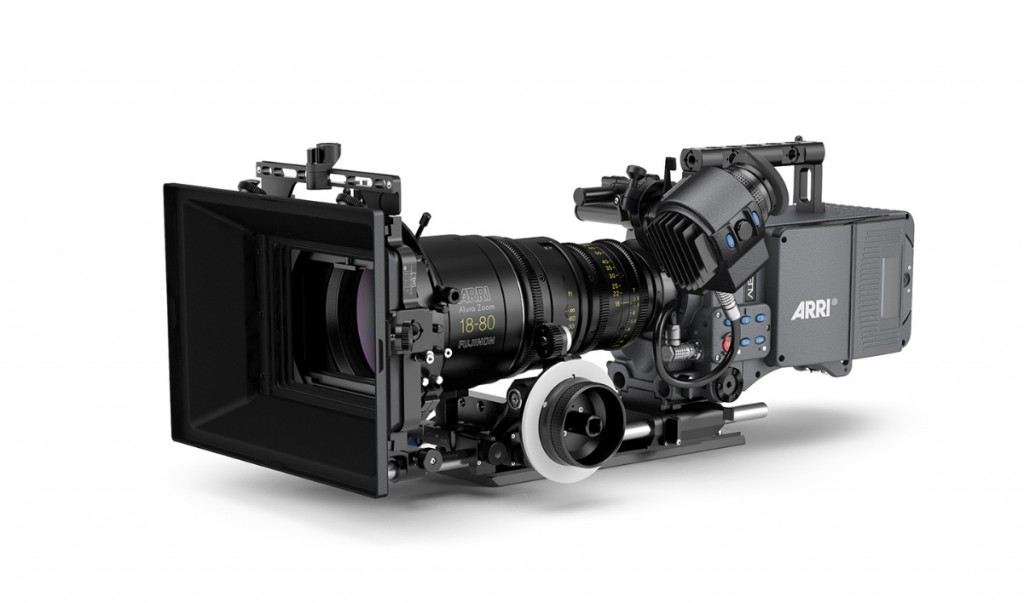
So now you have this amazing camera, but it comes with its own set of challenges. It’s not as portable as your previous setup, and you may need to hire additional crew members or rent extra equipment to make it work. This means higher costs and potentially losing out on jobs because your clients can’t afford your new rates.
And let’s not forget about the setup time. With a professional cinema camera, it takes an extra 15-20 minutes just to get everything ready. It’s not exactly ideal for a one-man band.
So before you invest thousands of dollars into a cinema camera, ask yourself: is it really necessary for your job, or are you just drawn to its shiny appeal? Consider the financial implications, the added expenses, and the impact on your workflow. Sometimes, it’s better to work with what you have and focus on honing your skills rather than chasing the latest equipment.
Are you considering investing in a cinema camera? Before you make a decision, ask yourself a few important questions:
– Will it boost your income?
– Are you financially secure to make such an investment?
– Will it enhance your employment opportunities?
– Do you genuinely need a cinema camera?
– Can you easily transport it?
– Can you operate it alone?
– Can you achieve the same results with your current camera?
If you can’t confidently answer “yes” to all of these questions, it might be worth reevaluating the need to purchase a professional cinema camera.
Now, let’s discuss whether investing in a cinema camera is a wise move for videographers. When do you think is the right time to pull the trigger? Share your thoughts in the comments below.

Other Articles
SanDisk SSD Firmware Updates
Review: Frame.IO’s Camera to Cloud and the Atomos Shogun CONNECT