Traditional movie posters are giving way to motion posters. Learn how you can generate interest in your own project with a motion poster.
Cover image via Netflix.
With the growth of social media platforms, we’ve seen the rise of several trends from studios and creators that push traditional marketing strategies. But one trend that stands out is the use of a motion poster — or moster for short.
GeekNation.com first developed the concept, and it would appear that the first commissioned motion poster was for the 2005 psychological crime thriller Hard Candy. Take a look at the standard poster:

And now, feast your eyes on the motion poster (in the video version, you can even hear the sound of the grating metal from the trap):

It’s certainly a lot more engaging. You end up looking at the poster for those extra few seconds, possibly walking away with a more defined idea of what the film is about. This can ultimately lead to a ticket sale.
You’ll notice that there are no additional elements in the poster itself — all of the animation comes from the images in the poster. This is one of the core properties of a motion poster. A motion poster should usually only use the elements that are already part of the original design.
However, there can be exceptions. For example, if a poster features rain, it would be fair to remove the rain layer and replace it with a rain video clip or rain particle generator. You can see this in the following example from 2013’s The Wolverine.
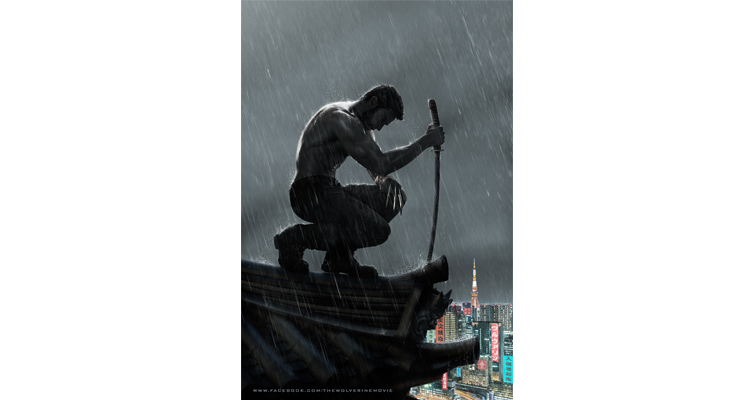
Motion Poster:
One of the main draws of a motion poster is that you can include sound — perhaps the howl of an iconic monster in the distance, or an instantly recognizable theme to excite the audience. One example of this is the motion poster from Stranger Things season two.
The Stranger Things season 2 motion poster is a prime example of how to make one. We see moving clouds, dust, lightning, the monster reveal, a color change, sound effects for the wind and storm, and the signature theme song.
Plotagraph
Now that you’ve seen several examples, how can you make your own?
Again, using Stranger Things as an example, the predominant movement is in the clouds. However, if you look closely, you’ll see they are on an animated loop that lasts for around two seconds, then it blends back to the starting position, in turn creating seemingly endless moving clouds.
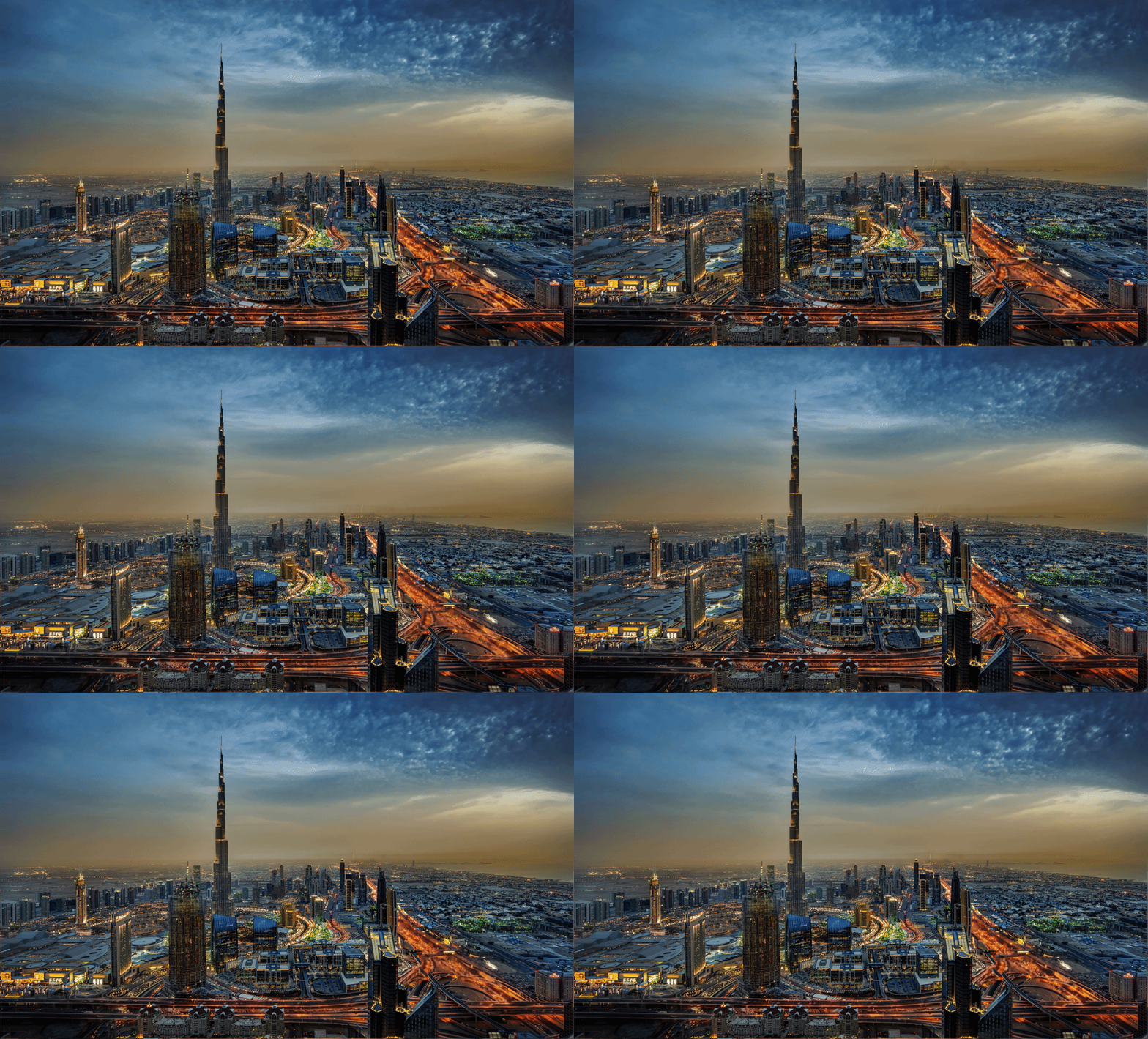
Image via Plotagraph.
You don’t have

Other Articles
Hands-On Review: SmallHD FOCUS Monitor
What Everyone Does on Set