Continuity errors can ruin the immersive experience you’ve worked so hard to create. Here are some common mistakes to avoid:
Top image: The Empire Strikes Back via 20th Century Fox
A few months ago, on a chilly morning in Wales, I found myself in the middle of a meadow, watching a film crew capture footage of dairy cows at sunrise. Somehow, I ended up as the script supervisor for a short film about the struggles of dairy farmers in a volatile milk market, funded by the local council.
As someone who usually works with lights, I wasn’t quite sure how I ended up in this role. But it turned out to be a quick and simple job, and most importantly, I learned a lot about continuity from the experienced script supervisor who was now directing. If you’re not familiar with the role of a script supervisor, this PremiumBeat article provides a simple overview. Today, we’ll be focusing on the importance of continuity. But before we dive in, here’s a fun video from WatchMojo that highlights some famous continuity mistakes in Hollywood films.
I think it’s safe to say that many filmmakers online are primarily interested in the visual and camera-operating aspects of the craft. There are countless websites and YouTube channels dedicated to those areas. However, when you’re solely focused on the visual aesthetics of a film, certain continuity mistakes can easily slip through the cracks.
We’re all familiar with the usual suspects of continuity errors: cigarette length, hair direction, wine levels in glasses, and even which hand a character uses to gesture. But apart from the script supervisor’s initial responsibilities, I discovered that many external factors contribute to continuity, which often go unnoticed when you’re trying to get your talent in focus. On a low-budget short, it’s common for everyone to take on the role of continuity manager. So, here are a few factors to keep in mind for your next passion project.
1. Rain
The most cost-effective type of short film is often set in a single location, such as a house, barn, or forest. These locations are convenient and can usually be shot in a day. If you’re creating a horror film, chances are there will be a storm in the script. The short film above (by Alexis Wajsbrot) is a great example of a horror short set in a single location, complete with a man in a giant bunny suit and, of course, a storm.
You can use a rain machine for exterior shots and add rain and thunder sound effects for interior shots. However, one detail that often gets overlooked (as seen at 8:03

Other Articles
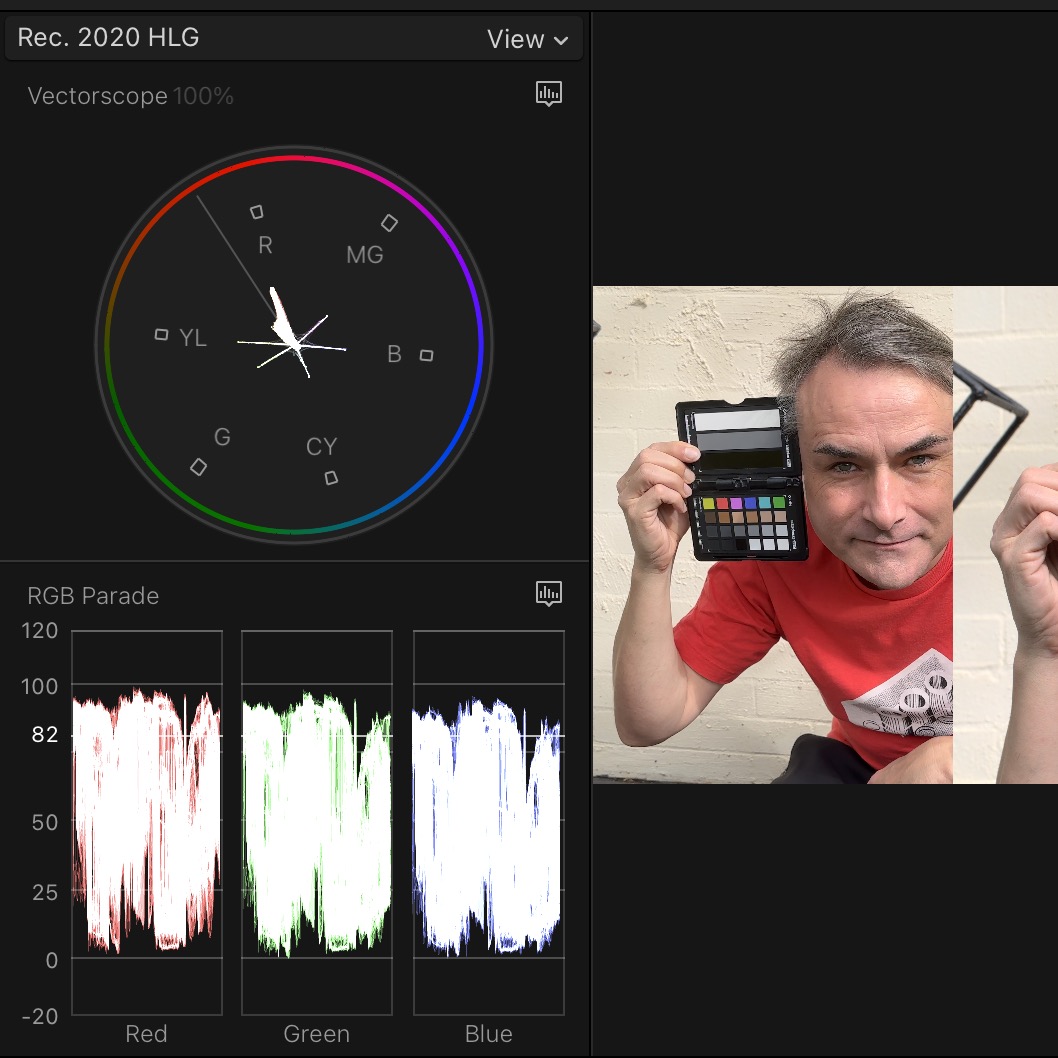
Non-editors embrace HDR editing: Join the trend
Understanding the Distinction: Cameras Ranging from $1K to $10K