Discover the Secrets to Creating an Authentic Period Look from the Cinematographers of Fargo and Stranger Things
Cover image via Keslow Camera.
Dana Gonzales, ASC recently shared his insights on the light sources he used while filming Season Two of Fargo. To ensure accuracy for a series set in the 1960s, Gonzales and his team went to great lengths to research and discovered that the sodium vapor street lamps were not period-appropriate. They replaced all the street lamps and practical light sources with warm tungsten bulbs to perfectly capture the authentic color of light from that era.
In their quest for an authentic nighttime ambience, Gonzales and his team even replaced every sodium-lamp streetlight in the Canadian town that stood in for Luverne, Minn., where the story takes place. The attention to detail paid off, as viewers often remark that the show reminds them of streets they lived on in the 1970s, without knowing why. The color of the light plays a significant role in creating that nostalgic atmosphere.
“We changed the bulbs of that whole street back to warm tungsten lights. I went to great lengths creating a mood with this kind of lighting because it pulls the audience into the world when the story takes place. People come up to me all the time and say, ‘Fargo reminds me of this street I used to live on in the ’70s without knowing why.’ Well, a lot of that feeling has to do with the color of the light.”
Discover the Magic of Vintage Lenses
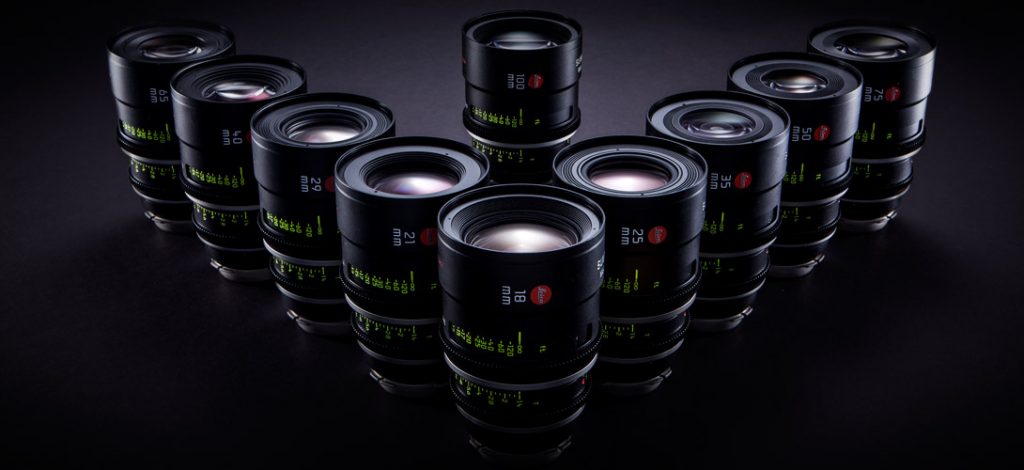
Vintage lenses are all the rage right now. Cinematographers are turning to lenses like Kowa Anamorphics and Canon K-35s to achieve that coveted vintage look in the digital age. Each lens has its own unique characteristics, and even modern lenses can offer some vintage qualities. To achieve the desired look, it’s always wise to experiment with a variety of lenses. This is exactly what Tim Ives, the cinematographer of Stranger Things, did when creating the show’s distinctive visual style.
“I found the Leica had a flatness and smoothness and roundness to them, which made the skin tone just beautiful and had that ’80s feel to them. We wanted the contrast and did not want it to feel flat and overlit. I wanted it to be dark. This is a horror fantasy show and wanted the details to be in the shadows.”
Enhance Your Look with Filtration
Filtration can play a crucial role in achieving a vintage or period aesthetic. One popular choice is Black ProMist diffusion, which adds a gorgeous halation effect to the images and gives the shadows a pleasing creaminess while maintaining contrast. It’s also an excellent way to soften the sharpness of digital images while preserving the sharpness in the eyes, creating a perfect balance. Check out the video below to see the different strengths of Black ProMist in action.
Collaborate with the Art Department
Filmmaking is a collaborative endeavor, and when it comes to achieving a period look, it’s crucial to work closely with the art department to bring your vision to life. No matter how great your camera and lens combination is, if the art direction isn’t period accurate, the setting will never feel authentic to the audience. Tim Ives, the cinematographer of Stranger Things, had this to say about working with the show’s art department:
“Chris Trujillo’s sets were just amazing. The love and care he put into them is what you see on the screen … Then you look at other departments, like hair and make-up and wardrobe. The hair was exactly how it would be in the ’80s. Everything we put in front of the camera really had the essence of those ’80s things we really love.”

Creating a period film involves many components, but these four avenues will set you on the right path to achieving your desired look.
What techniques do you use to achieve a period look? Share your thoughts in the comments below.


The Future of AI in Video: A Glimpse Ahead
Tips for Lighting Day-to-Night Interiors