We spoke with the creator of The Film Collaborative about how filmmakers can retain their rights and get their films seen.
All images courtesy of The Film Collaborative. (Cover image via For the Love of Spock.)
Being a filmmaker is about more than just creating art. It’s also about navigating the business side of the industry. That’s where The Film Collaborative comes in. Created by Orly Ravid, this nonprofit organization empowers filmmakers to retain ownership of their work and provides valuable information on fiscal sponsorship, distribution, and marketing. We had the opportunity to sit down with Ravid and gain her insights on what every working filmmaker needs to know.

Premium Beat: Orly, you have an impressive background in the film industry, working with filmmakers in various capacities. What motivated you to create The Film Collaborative and shift the focus to a new service model for filmmakers?
Orly Ravid: I witnessed filmmakers losing control of their films, struggling to make money, and not achieving their goals with traditional distribution models. There were too many middlemen involved, limiting the filmmakers’ input and revenue. I wanted to empower filmmakers to take control of their work and find sustainable ways to distribute and monetize their films.

Image via Bending the Arc.
PB: Independent filmmakers often struggle with limited funds. How can they afford distribution and marketing without selling their rights?
OR: There are several options available. Filmmakers can raise more funds at the beginning, crowdfund for distribution support, or apply for grants specifically designed for distribution, especially in the documentary genre where impact campaigns are common.

Image via I Dream in Another Language.
PB: Can you explain the concept of fiscal sponsorship and how it can benefit filmmakers in terms of fundraising?
OR: Fiscal sponsorship is a funding model where filmmakers don’t have to repay the money they receive. Donors who want a tax benefit donate money to a nonprofit organization with a fiscal sponsorship program. The film receives the funding, and the donor gets a tax write-off. The Film Collaborative offers fiscal sponsorship with a 5% administration fee. The funds must be used for the film and cannot be used for personal expenses or to repay investors.
PB: With the abundance of content available, what is the current landscape of film and digital distribution? Is there a one-size-fits-all strategy, or does it depend on the genre, format, and scope of the production?
OR: The distribution landscape is diverse and ever-changing. The Film Collaborative is working on a Digital Distribution Guide that will provide filmmakers with a roadmap based on genre and other factors. However, the success of a film’s distribution depends on various factors, including marketing, appeal, and the platform it is released on. Different platforms have different user bases and revenue models, so it’s important for filmmakers to research and tailor their distribution strategy accordingly.

Image via The Bad Kids.
PB: How can filmmakers get their films on popular platforms like iTunes, Amazon, Google Play, or subscription platforms and cable VOD?
OR: Platforms like iTunes, Amazon Prime, and Google Play are not curatorial, meaning filmmakers can go through distributors or aggregators to get their films on these platforms. The Film Collaborative and Distribber are examples of services that can assist with this process. However, platforms like Netflix are curatorial, and filmmakers need to pitch their films through distributors, aggregators, or established sales agents.
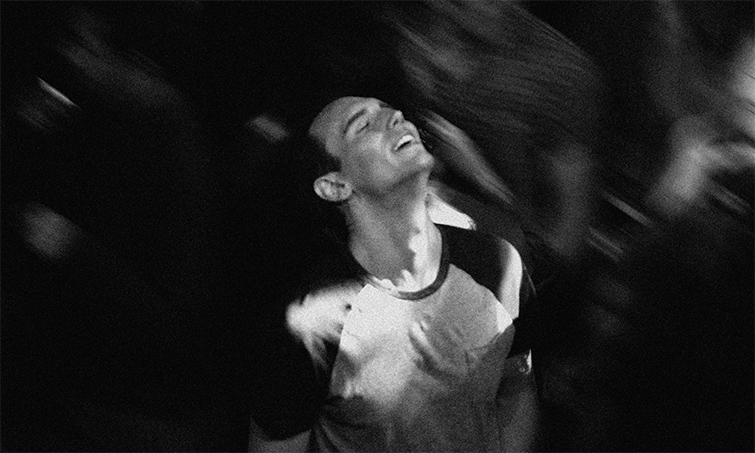
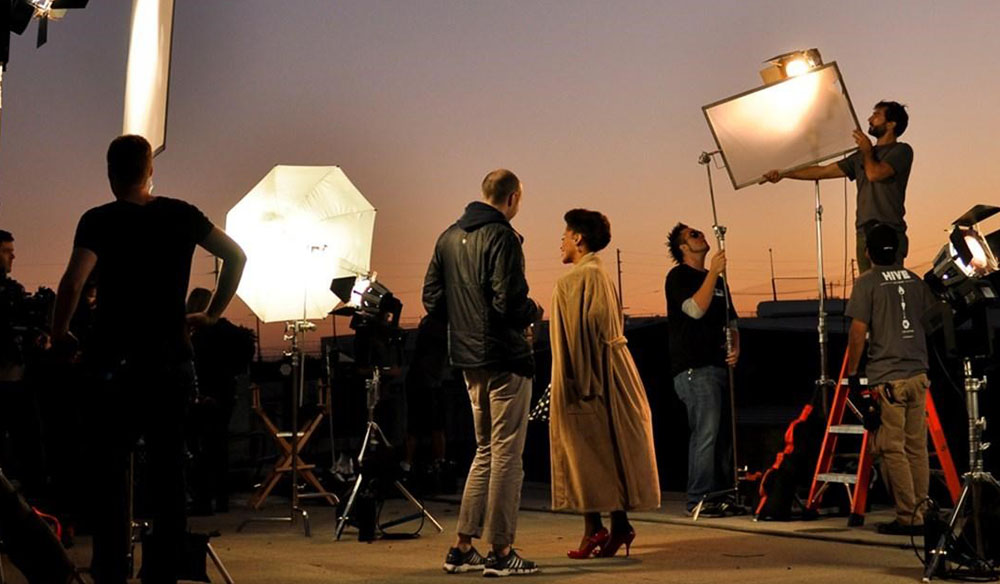
Photo by Dutch Rall.
PB: Are there any specific genres or elements that increase the chances of being picked up by digital distribution platforms? Do these platforms have preferences?
OR: While iTunes has an interest in music-related content, other platforms are more focused on commercial content with global appeal. Genre does not seem to be a determining factor, but it’s important for filmmakers to research each platform’s preferences and target their marketing efforts accordingly.
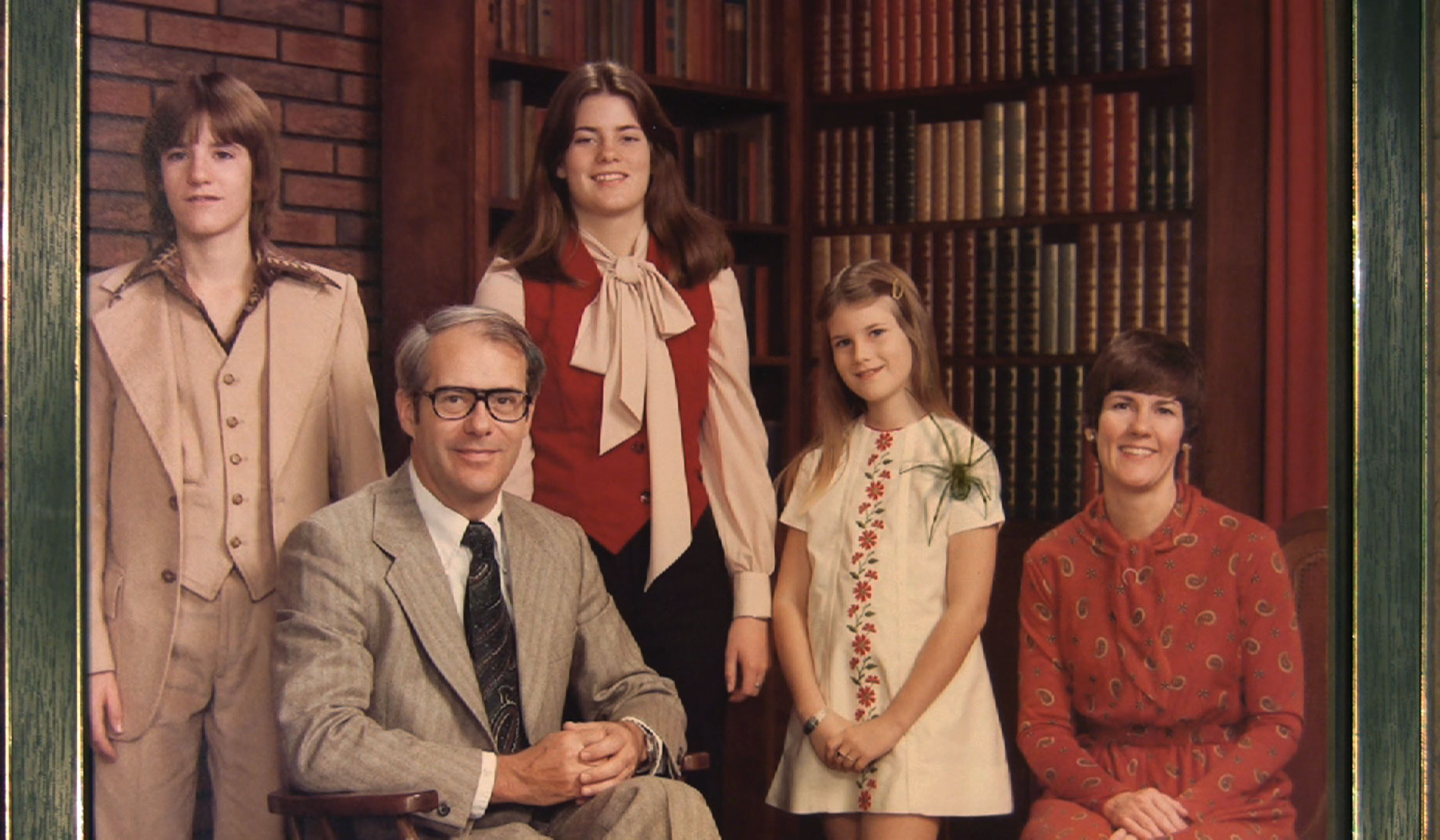
Photo by Amy Jenkins.

Other Articles
Tips for Avoiding Film Festival Rejection