Are You Ready to Start Shooting? Here’s a Handy List of Filmmaking Tips!
Last year, we shared some essential filmmaking tips by Caleb Ward. We covered five things to check before hitting the record button: File Type, Picture Profile, Specs on the Lens, White Balance, and Formatting. But wait, there’s more! Here are five additional tips to remember before you start rolling.
1. Create a Production Schedule
Setting a schedule for your shoot is crucial, whether you have a big budget or you’re an indie filmmaker. By planning and scheduling your production, you can make things easier for yourself and your crew. It’s especially important when working on a budget. Check out this great resource from Dummies.com: The Art of Scheduling a Film.
2. Know Your Gear
Before stepping onto the set or location, make sure you know your gear inside and out. Study your camera, lenses, microphones, and other equipment. Practice using them until you’re familiar with every aspect. This way, you’ll be prepared for anything that comes up on set or location.
For more gear talk, check out these articles:
- Top Five Pieces of Equipment Every Independent Filmmaker Needs
- Low-Budget Documentary Filmmaking Gear Check-list
- Top Five Essentials for Shooting Your Indie Film
3. ISO
Now that you have a schedule and know your gear, let’s talk about ISO. It’s the camera’s sensitivity to light. The lower the ISO number, the less sensitive the camera is to light, and vice versa. Depending on your location and available light, find the right ISO setting. Here’s a useful overview from DigitalTrends about ISO.
4. Shutter Speed
Shutter speed determines the exposure time for each frame. A fast shutter speed freezes motion, while a slow shutter speed creates motion blur. Understanding how shutter speed affects your video image is crucial. Check out this video by Kerry Garrison for examples of slow and fast shutter speeds.
If you need a reminder, here’s a snippet of the opening sequence from Saving Private Ryan, shot with a high shutter speed.
5. F-Stop
F-Stop controls the iris inside your lens and affects the depth of field. A smaller F-Stop (e.g., f/2) results in a shallower depth of field, while a higher F-Stop (e.g., f/10) increases the depth of field. Understanding how F-Stop works is essential for achieving the desired focus in your shots.
Recap
For a quick recap on ISO, shutter speed, and F-Stop, watch this helpful video by Ryan Connolly from Film Riot.
Here’s another overview by Dave Dugdale.
For more content on preparing for your next film shoot, check out these articles:
- 8 Filmmaking Tutorials Every Filmmaker Should Watch
- 5 Things to Consider Before Shooting Slow Motion
- 5 Easy Tips For Nailing Your Exposure On Every Shot
Did you find these tips helpful? What’s on your checklist at the start of each production? Let us know in the comments below!

Other Articles
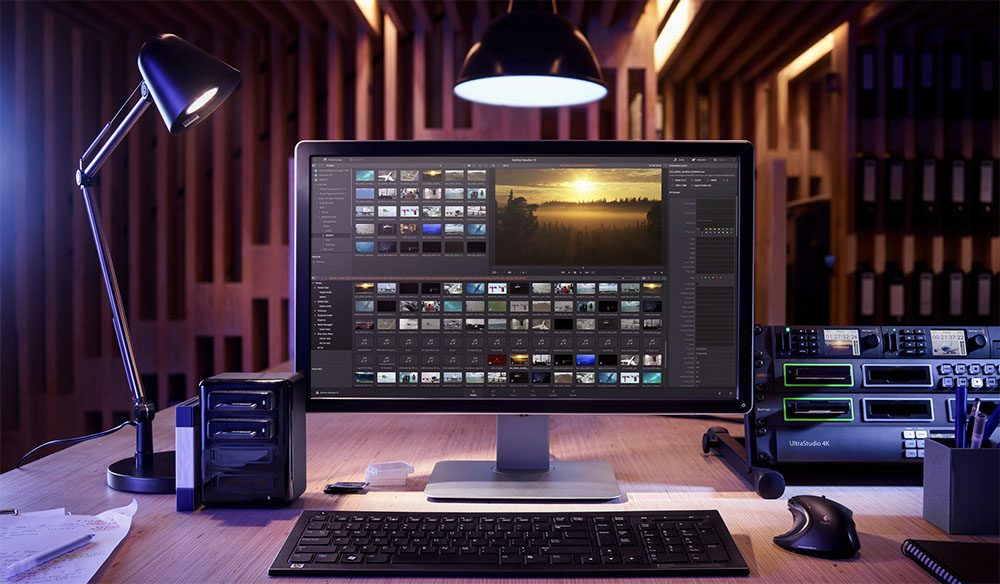
NAB 2018: Blackmagic Unveils DaVinci Resolve 15
Tips for Creating the All-Important Video Thumbnail Cover Image