Thinking about getting a mirrorless camera? Here are 10 things you need to know.
Mirrorless cameras have been taking the photography world by storm in recent years, and it’s not hard to see why. They offer a host of advantages over traditional DSLRs that can greatly enhance your photography experience…
1. Mirrorless Cameras Aren’t Limited to Cropped Sensors
While many popular mirrorless cameras do have cropped sensors, it’s important to note that full-frame mirrorless cameras do exist. Take the Lecia M9 and the Sony A7, for example. These cameras combine the benefits of a mirrorless design with the larger sensor size of a full-frame camera, allowing you to capture wide shots without the need for expensive lenses or adapters.
2. Mirrorless Cameras are Small and Lightweight
One of the biggest advantages of mirrorless cameras is their compact and lightweight design. Without the need for a bulky mirrorbox mechanism, mirrorless cameras can be significantly smaller and lighter than their DSLR counterparts. For example, the Sony A7S weighs just over a pound, which is half the weight of the Canon 5D Mark III. This makes mirrorless cameras a perfect choice for photographers who value portability and ease of use.
3. Mirrorless Cameras Don’t Have Mirrors

An Example of a Mirrorless Shutter: Learn more about this process on our How Camera Shutters Work post
Unlike DSLRs, mirrorless cameras don’t rely on a mirrorbox to send the image to the viewfinder. Instead, they use a digital representation of the image as it passes through the sensor. This innovative design allows for a more streamlined and efficient shooting experience.
4. Mirrorless Cameras have a Shorter Flange-Focal Distance than DSLRs
One of the advantages of mirrorless cameras is their shorter flange-focal distance. This distance refers to the space between the lens and the camera sensor. In DSLRs, this distance needs to be larger to accommodate the mirror, but in mirrorless cameras, this is not an issue. The shorter flange-focal distance allows for more flexibility in lens design and opens up possibilities for adapting lenses from other systems.
5. Speedboosters Make Mirrorless Cameras Much More Viable for Video Production

Photo via NoFilmSchool
While most mirrorless cameras have cropped sensors, the introduction of speedboosters has revolutionized their video capabilities. Speedboosters, like those created by Metabones, not only increase the amount of light entering the lens but also widen the overall image. This allows for greater creative freedom and improved video quality.
6. Some Mirrorless Cameras Can Shoot 4K Video
Don’t let the misconception that mirrorless cameras lag behind in resolution hold you back. Many popular mirrorless cameras, such as the Panasonic GH4, offer 4K video shooting capabilities. Additionally, cameras like the Sony A7S can output 4K via HDMI. Having the ability to shoot in 4K ensures that your camera is future-proof and provides you with more options in post-production.
7. Mirrorless Cameras Can Take More than Just MFT Lenses

While many mirrorless cameras come with a micro four thirds lens mount, there are also options available for other lens mounts. From high-end Leica M mounts to consumer-level Samsung NX mounts, mirrorless cameras offer versatility when it comes to lens compatibility.
8. Mirrorless Cameras Aren’t Just for Amateurs
Contrary to popular belief, mirrorless cameras are not limited to entry-level or mid-level options. Luxury camera manufacturers like Leica have embraced the mirrorless design and offer high-end mirrorless camera lines. So, whether you’re a beginner or a professional, there’s a mirrorless camera out there to suit your needs.
9. Mirrorless EVF Viewfinders Give You In-Line Exposure Read-Outs

One of the advantages of using a mirrorless camera is the electronic viewfinder (EVF). Unlike optical viewfinders found in DSLRs, EVFs provide in-line exposure read-outs, allowing you to see an accurate representation of your image before you even press the shutter button. This can greatly improve your ability to capture the perfect shot.
10. Mirrorless Cameras are Silent
Thanks to their design, mirrorless cameras operate silently. Unlike DSLRs that require a mirror to flip up when capturing an image, mirrorless cameras eliminate this mechanical noise. This makes them ideal for shooting live events like weddings or ceremonies where silence is crucial.

Other Articles
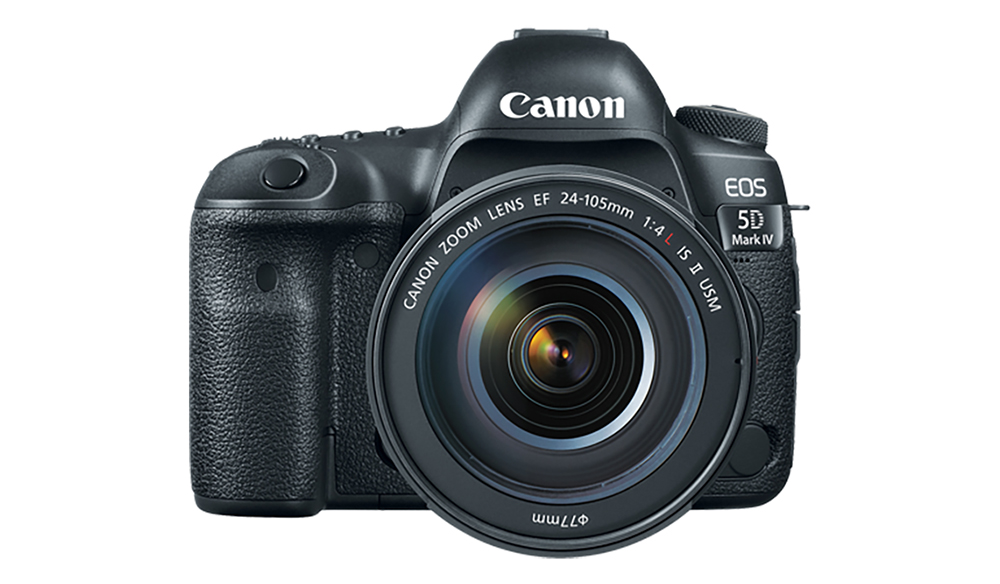
Canon 7D: Is It Worth Upgrading to the 5D Mark IV?
Video Tutorial: The Top Lenses for Gimbal Cinematography