Welcome to the second installment of our two-part Acting Crash Course! Congratulations on landing a part, whether you’re a new actor or helping out a friend with an indie project. But before you head to set, there are a few important details you should know. In part one of this Actor’s Crash Course series, we covered those details. Now, let’s dive into what you should expect on set.
First things first, show up ten to fifteen minutes early. You want to make sure you have time to get to set, check in, find makeup and wardrobe, and settle in. Film sets have to run on strict schedules in order to make their daily page counts, and the lower the budget, the more likely this production will only have a day or two at any given location. So, be prepared whenever they’re ready for you.
When you’re finally called onto set, one of the first things you’ll likely have to do is a sound test. Whether it involves a boom mic overhead or a lavalier mic hidden in your costume, the sound crew will need to check your levels to make sure they’re getting the best possible recording. This requires you to speak for the mic. But there are several common mistakes I see with new actors, non-actors, and people being interviewed on camera when they’re asked to do a sound test. Don’t look directly at the microphone and speak into it. Orient your mouth in the same direction you will use in your scene. And keep talking during a sound test until audio tells you to stop.
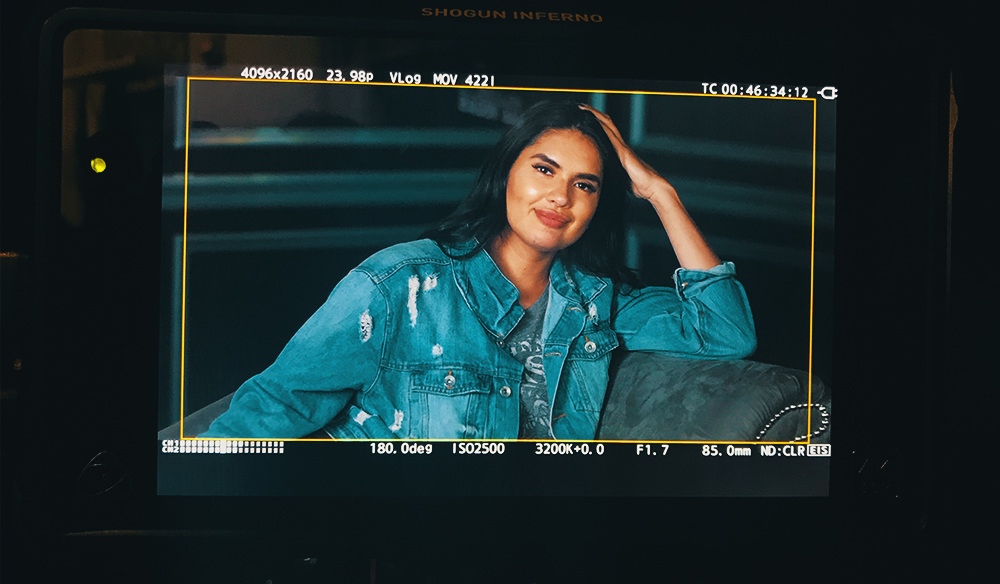
It’s also important to check your framing and depth of field. Be sure to study and memorize the different types of framing, so you’re ready when the director or cinematographer gives you framing instructions. And don’t immediately break character until the director calls cut. Stay in character until you hear “Cut!” Those extra few seconds are crucial for editors, and sometimes the director may want to hold the shot on your expression or on the way you move, so give them that performance!
Remember, there’s a common phrase in the film industry: “Hurry Up and Wait.” After a day on set, you’ll understand this. Just be patient. And most importantly, be professional. Show up on time with your lines memorized, be polite, and don’t cause a scene (outside of the scene being filmed, that is). But being professional doesn’t mean doing anything the director tells you. Be willing to try new things on set, but if you’re asked to do something that makes you uncomfortable or unsafe, don’t do it.
Now that you know what to expect on set, go out there and break a leg! And if you’re looking for more filmmaking tips and tricks, check out our other articles.

Other Articles