Are you tired of struggling to create the perfect cinematic look with practical lighting? We’ve got you covered. In this article, we’ll show you how to use practical lighting to achieve a cinematic look that will make your audience feel like they’re part of the story.
Let’s face it, practical lights alone rarely create enough exposure to achieve the desired effect. But don’t worry, we’ve got a solution. By placing practical lights within the set to motivate and make cinema lights seem plausible, you can achieve the perfect mix of practical and cinematic lighting.
The process is simple. Light the space as the world of the story would actually light it, using fixtures in the ceiling or walls, as well as lamps and windows. Then, once the actors are in the space and you’ve decided on your shots, bring in large, soft lights just offscreen to augment those practical lights.
This method works great for both sets and locations. Sets have the added advantage of wild walls, which are segments of the set that you can remove to accommodate bigger lights. With small-profile LEDS and tube lights, like Quasar science fixtures, you can get a lot of light into a small space, making real locations less of a disadvantage.
The best part about using this method is that you always have a starting point. You can look at a location, choose which parts of the existing lighting will work for your scene, and then augment with offscreen lights. You’ll never have “blank page syndrome,” and you won’t get stressed about where you should place your key light. You can follow the natural lighting of the room you’re in.
So, what are you waiting for? Start using practical lighting to achieve a cinematic look that will blow your audience away. And if you’re looking for more filmmaking tips and tricks, be sure to check out our other articles.

Other Articles
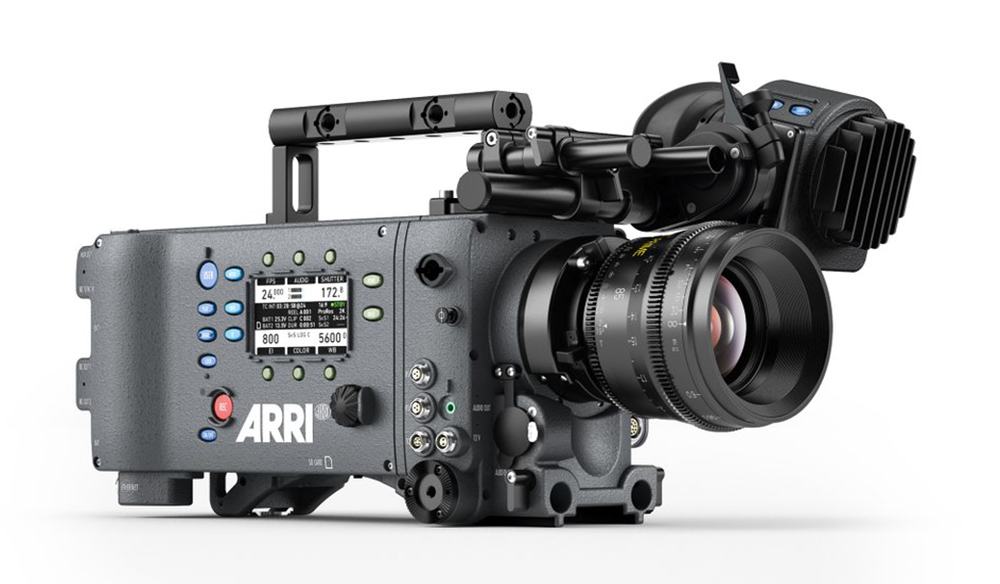
ARRI Launches Pre-Owned ALEXA Camera Program
Film and Video Editors: Do They Need Demo Reels?